Is the Everest Base Camp Trek the Ultimate Himalayan Adventure?
The Everest Base Camp Trek, often referred to as the EBC Trek, is a dream destination for trekkers and adventurers worldwide. Nestled in the majestic Himalayas of Nepal, this trek offers breathtaking views of towering peaks, cultural immersion, and the thrill of walking in the footsteps of legendary mountaineers. It’s a journey that combines physical challenge, natural beauty, and a deep sense of accomplishment. Whether you are a seasoned trekker or a first-time adventurer, the Everest Base Camp Trek promises a transformative experience.
Why Is the Everest Base Camp Trek So Famous?
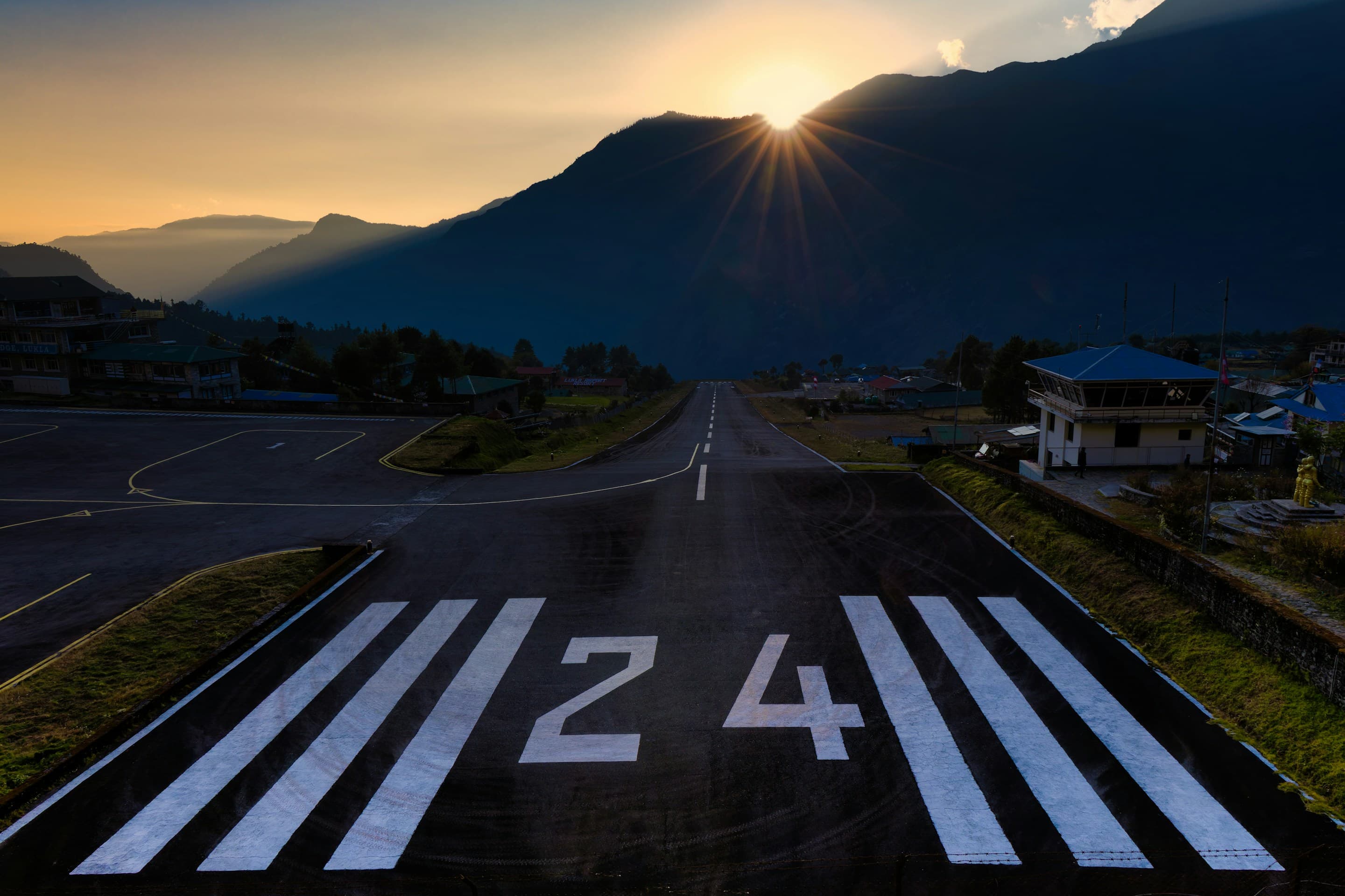
The Everest Base Camp Trek is renowned for its unique combination of natural and cultural experiences. Starting in Lukla, the trail winds through Sherpa villages, suspension bridges, and scenic valleys before reaching the base camp of the world’s highest peak.
The trek provides awe-inspiring views of Everest, Lhotse, Nuptse, and Ama Dablam. Along the way, trekkers have the opportunity to visit Tengboche Monastery, a spiritual hub nestled against the backdrop of snow-covered mountains. Prayer flags, mani stones, and spinning prayer wheels add a sense of serenity and spirituality to the journey.
This trek is not just about reaching the base camp; it’s also about immersing yourself in the Sherpa culture. The warmth and hospitality of the Sherpa people, along with their rich traditions, make this trek an unforgettable experience.
Preparing for the Everest Base Camp Trek
Proper preparation is crucial for a successful Everest Base Camp Trek. The trek involves walking long distances, steep ascents, and challenging terrains, all at high altitudes.
Physical fitness plays a significant role in ensuring you enjoy the trek. Regular cardiovascular exercises, strength training, and practice hikes with a loaded backpack are highly recommended.
Packing the right gear is equally important. Layered clothing, waterproof jackets, sturdy trekking boots, and a good-quality backpack are essential items. Other necessities include a sleeping bag, water purification tablets, and a basic first-aid kit.
Acclimatization is key to avoiding altitude sickness. The trek’s itinerary includes rest days at Namche Bazaar and Dingboche to help your body adjust to the high altitude. Walking at a steady pace, staying hydrated, and avoiding overexertion are critical for acclimatization.
Best Time to Trek to Everest Base Camp
Choosing the right season for the Everest Base Camp Trek significantly impacts the experience. Spring (March to May) and autumn (September to November) are considered the best times to undertake this journey.
During spring, the trail comes alive with blooming rhododendrons and clear skies, offering excellent visibility of the mountains. Autumn, on the other hand, provides stable weather and breathtaking views of the Himalayas, making it a popular season among trekkers.
Winter (December to February) is suitable for those seeking solitude, but the extreme cold and snow-covered trails require extra preparation. The monsoon season (June to August) brings heavy rainfall, making the trails slippery and the views less clear.
What Makes the Everest Base Camp Trek Worth the Effort?
The Everest Base Camp Trek is much more than a physical challenge; it’s an emotional and spiritual journey. The trek pushes you out of your comfort zone, testing your endurance and determination. Reaching the base camp at 5,364 meters is a moment of triumph that fills you with pride and joy.
The cultural immersion is another highlight of the trek. Staying in teahouses, sharing meals with fellow trekkers, and interacting with Sherpa communities add depth to the experience. These moments foster connections that transcend language and cultural barriers.
The natural beauty of the Khumbu region is unparalleled. From the Dudh Kosi River to the towering peaks and tranquil valleys, every step offers a new perspective. The panoramic views of Everest and its neighboring peaks are sights you will carry with you forever.
Altitude Profile of the Everest Base Camp Trek
The altitude chart for the Everest Base Camp Trek provides a clear visual representation of the elevation changes throughout the 14-day journey. Starting at Kathmandu (1,400 meters), the trek gradually ascends through key stops such as Namche Bazaar (3,440 meters), Tengboche (3,810 meters), and Dingboche (4,410 meters), ensuring acclimatization. The highest point is reached at Kala Patthar near Gorak Shep (5,140 meters), offering breathtaking views of Mount Everest. Following this peak, the descent begins, passing through Pangboche, Namche Bazaar, and back to Lukla. This profile highlights the importance of acclimatization and steady pacing to ensure a safe and rewarding trekking experience.
Conclusion
The Everest Base Camp Trek is an adventure of a lifetime, offering a perfect blend of challenge, beauty, and cultural discovery. It’s not just a trek; it’s a journey that leaves an indelible mark on your heart and soul.
By preparing well, choosing the right season, and embracing the challenges, you can make this trek a memorable experience. Whether it’s the breathtaking views, the sense of accomplishment, or the cultural richness, the Everest Base Camp Trek is an adventure that stays with you long after you return. For those who seek the ultimate Himalayan journey, the EBC Trek is the answer.
About Nepal's Best Trekking Company
Bringing unforgettable Himalayan adventures to everyone. Our expert guides and carefully curated experiences ensure that everyone can explore the beauty of Nepal, Tibet, and Bhutan.
Learn More