Best Places to Visit in Nepal
Comprehensive travel guides to help you plan trekking, tours, and adventure activities across Nepal and the Himalayas.

About Mustang Region
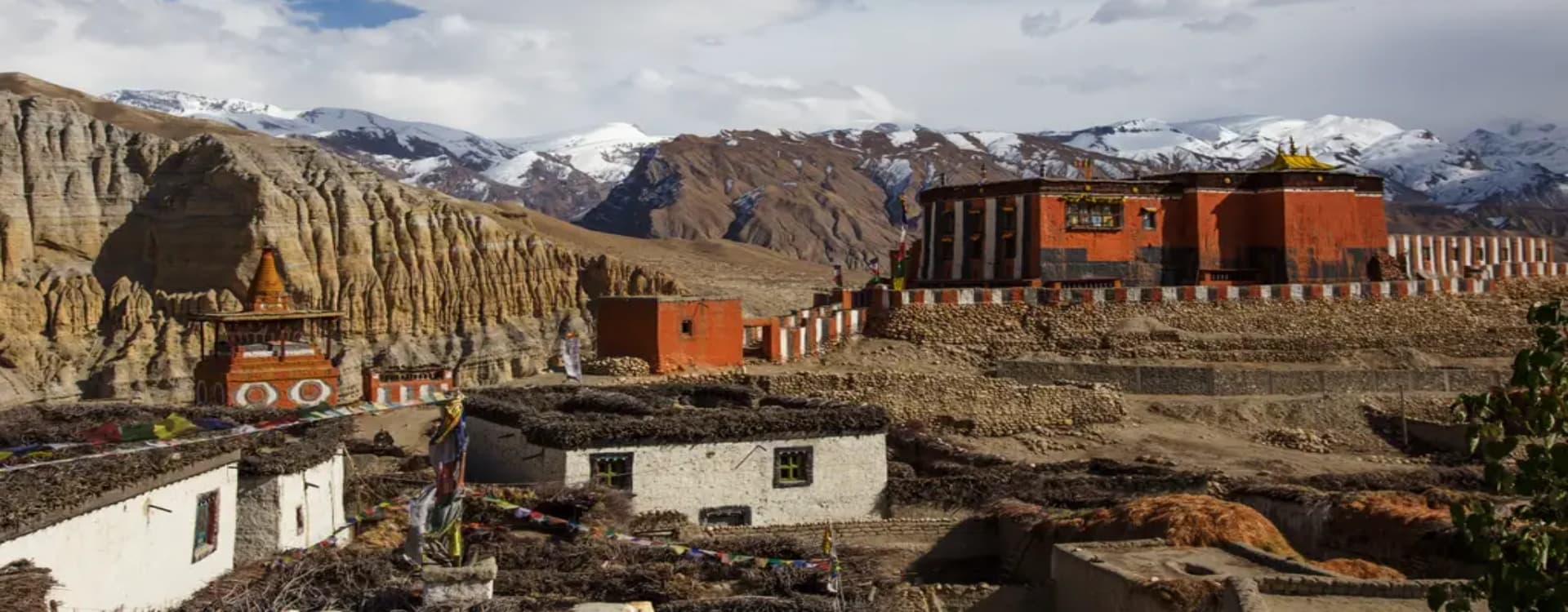
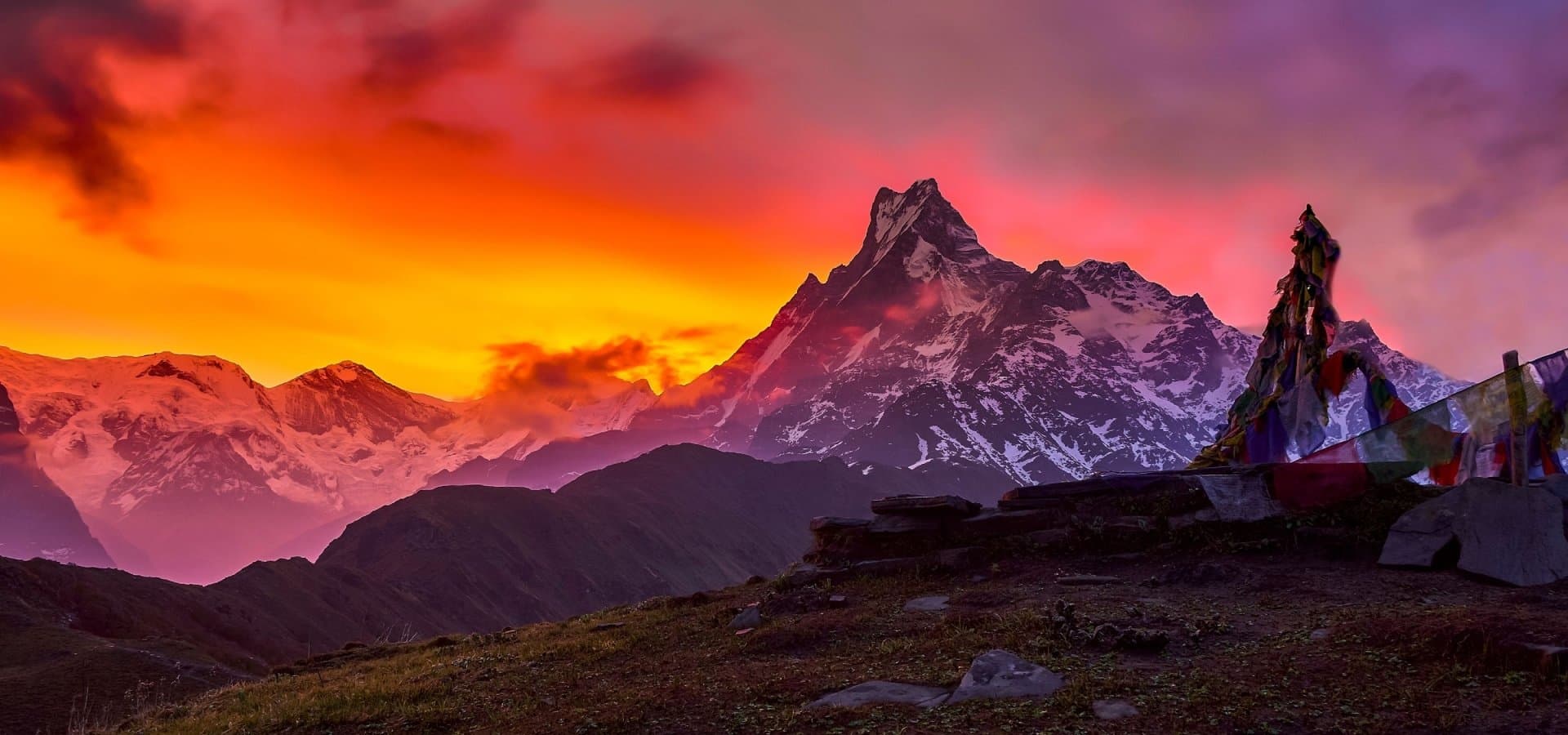
Trekking to Mustang connects you to the third world, which seeks its own significance. Mustang has a distinct personality that sets it apart from the rest of Nepal. It is located to the north of the nation and shares the rain shadow with Tibet. The unofficial capital, Lo-Manthang, is a country inside a kingdom, with wide dry valleys, yaks, caravans, and colorfully painted mud-brick buildings set against a backdrop of stunning peaks like the Annapurnas, Dhaulagiri, Nilgiri, Tukuche, and 30 more summits reaching beyond 6000 meters. Muktinath is known for its Buddhist and Hindu shrines. Mustang was first formally opened to trekkers in 1992, and only a limited number of visitors are permitted each year in order to safeguard and sustain indigenous Tibetan customs and the fragile environment. Trekking in Mustang transports you back hundreds of years to a land where time has stood still for millennia, where Tibetans live, farm, and trade in the same manner they have since time immemorial. Trekking in this region allows you to discover the western mountain range, with its magnificent wildness, beautiful landscapes, snowcapped peaks, and several 16th-century monasteries. The views from the 'Balcony' are spectacular. There are massive black and brown desert hills. Paddy and barley fields adorn vast black and brown desert hills, and the wind accompanies us everywhere we go. Recognizing the uniqueness of this ancient, little country, the Nepalese have imposed a fee for anybody seeking to hike beyond Kagbeni, the Upper Mustang boundary. You would be among a select fortunate handful to visit this isolated corner of Nepal, since legitimate trekking groups were only permitted in for the first time in March 1992. Explore the 16th-century monasteries, which are embellished with unparalleled paintings, Thanka art, and the status of colossal deities. Mustang's old culture, language, and traditional way of life are very comparable to those of Tibetans. Mustangans are known as Lobas, and they have their own King, Jigme Palbar Bista. When he was alive, he would give guests to his palace an audience. Mustang is Lo's ancient kingdom. The Mustang district's seat is Jomsom, while the true Tibetan-style district is located north of Kagbeni and is known as Upper Mustang. Lo Manthang, the current king's residence, is a beautiful square-walled village perched on the 'Plain of Prayers.' Mustang has an average height of 13,200 feet and is located north of the mountain giants Dhaulagiri and Annapurna, north of the main Himalayan range and physically part of Tibet's highlands. It is a large high dry valley with eroded canyons, colorful layered rock formations, and a desert-like aspect. Mustang's hundreds of cliff homes, some of which appear entirely unreachable, are one of its most interesting aspects. The most current idea suggests that they date from 8 to 10,000 BC, when Mustang was much greener. View and celebrate radically distinct vistas of the Himalayan environment beyond the mountains. The saying "Tyo Himal Paari Ko Gaun" - Village Beyond Snowcapped Mountains - is frequently used to characterize these areas of Nepal's Annapurna Region. Upper Mustang Region is full of the cultural, mountain, geographical, and traditional surprises. For wonderful trekking in Nepal, we provide Mustang Trip, Muktinath included trek, Mustang Trek with Miniature Mountain, Tiji Festival Trek, and Mustang Trek with High Pass packages. In certain areas of Nepal, specific authorization from the Nepal Government and Immigration is necessary. This region of Nepal is a restricted trekking territory designated by the Nepalese government as a highly sensitive and historical zone. Logistics and support arrangements are critical in this portion of Nepal. The settlement is the last on the northern border with Tibet and is largely populated by Tibetans. History In terms of history, the Mustang region delivers a powerful punch for such a tiny area. It was previously a prohibited kingdom, isolated from China and with the Nepali government prohibiting international entrance. The exclusion began in 1959 when the Dalai Lama fled Tibet as the Chinese occupation became increasingly brutal. In the early 1960s, the legendary Khampa warriors joined forces with other indigenous groups in the Mustang region to oppose the Chinese government. As a result, China urged that the Nepali government prohibit any foreigners from entering the Mustang area, which served as a conduit to Tibet. Foreigners were barred from visiting from 1962 until 1992 when the doors were reopened to tourists. Mustang was an autonomous nation with its own ruler for a long time, and it had a crucial location on the trade route between the Himalayas and the Indian plains. It was claimed and conquered by Nepal in the 18th century, and the monarchy was dismantled by decree of the Nepali government in 2008, meaning that the Mustang Region lost its designation as a 'kingdom,' yet many in the region still acknowledge the monarchy today. Unfortunately, the once-pure cultural region is beginning to experience the impacts of China and the outside world - a new road is presently being built through Mustang to connect China and Nepal. Change in the region is unavoidable, making now an excellent time to begin organizing a vacation. Habitat and Points of Interest Mustang is separated into three major sections. Baragaon is located to the north of Jomsom, Panchgoan is located between Jomsom and Marpha, and the Thak states are located to the south of Marpha. Baragoan, popularly known as 'Lower Lo,' was long dominated by the Mustang Rajas. Muktinath, a shrine venerated by both locals and Hindus, is also located in Baragoan. For Hindus, the isolated shrine of Muktinath is a highly holy pilgrimage place. For hundreds of years, this shrine has drawn both Buddhist and Hindu pilgrims. The Hindus worship the shrine's idols as God Visnu, while the Buddhists worship Lokeshwor. The Thakalis are said to have converted to Buddhism under Tibetan influence in Panchgoan. Tilicho Lake is located in the neighboring Manang district at an elevation of 16,140 feet. It is the world's highest lake and is a day's journey from Kaisang camp. The people The inhabitants of southern Mustang consider themselves to be true Thakalis. The Thakali tribe is divided into two sects: Gauchnan (elephant, red), Tulachans (dragon, blue/red), Juharchan (jewel), and Pannachan (emerald). The Thakali have customs that are distinct from the rest of Nepal. The Thakalis are one of Nepal's wealthiest ethnic groups. These people owe their success to the Kali Gandaki trade route's exclusivity for several years. These people attribute their wealth to the Kali Gandaki trade route's exclusivity for numerous centuries. Thak Khola area has also made substantial contributions to the growth of tourism in Nepal during the previous quarter-century. Mustang's remoteness and isolation have not deterred visitors from visiting this spectacular region. The location is well-known throughout the country and is a popular tourist attraction. Every year, thousands of visitors visit. They come to Mustang to view the gorgeous environment, monasteries, mountains, and lakes, to stroll on paths leading to jaw-dropping locations, caves, ever-flowing rivers and gorges, holy sites, and to experience the traditional Tibetan culture at its heart. LO Manthang Lo Manthang is a popular tourist destination and the greatest site to visit in Mustang. Lo Manthang is the capital city of Nepal's secret Tibetan Kingdom. Lo Manthang is home to the King's Palace and other monasteries established in the early 15th century that is being repaired by art historians from across the world. The hamlet is famous for its whitewashed mud-brick walls, gompas, and the Royal or King's Palace. Choprang Gompa, also known as 'New Gompa,' Chodey Gompa, the main city gompa, Thunchen Gompa, the oldest of all Jampa Gompa. Lo Manthang was forbidden to foreign visitors until 1992 and required special authorization. It is also accessible through the Lo Manthang trek, which follows the historic caravan route from Jomsom to Lo. Muktinath Muktinath temple is located near Ranipauwa. It is one of the highest altitude temples in the world. Muktinath is a holy Hindu and Buddhist shrine dedicated to Lord Bishnu. It is located at the base of the Thorong La mountain pass. There are 108 stone water spouts from which the water of the Kali Gandaki flows, which is thought to purify one's spirit. The ever-burning flame is another major draw. This temple is ranked 106th out of the 108 Divya Desam (premium temples) considered sacrosanct by the Sri Vaishnava sect. Chumig Gyatsa is a Buddhist term meaning "Hundred Waters" in Tibetan. Muktinath is an important destination for dakinis, deities known as Sky Dancers, and one of the holiest places for Tibetan Buddhists. Muktinath is an important location for dakinis, deities known as Sky Dancers, and one of the 24 Tantric places for Tibetan Buddhists. Lake Dhumba Dhumba Lake is a new tourist attraction in the Mustang area. It is a hidden treasure of the area, located around 7-8 kilometers from Jomsom. Dhumba Lake is a beautiful emerald green lake. It is located at a height of 2900 meters above sea level. This lake is well-known as a holy Buddhist lake. During the winter, this lovely lake totally freezes over. Due to religious beliefs, the local fish is not eaten. The major source of the lake is Dhumba Lake, which is located at the base of Nilgiri Mountain. A variety of caverns may also be discovered in the Mustang region. Famous caverns include Jhong cave, Chusang village's sky caves, and Chungsi cave in Syangobochen hamlet. A collection of at least twelve caves, ornamented with ancient Buddhist artwork and placed on sheer cliffs at 4,300 meters in height, were recently found north of Annapurna and near the hamlet. Mustang is also surrounded by tiny settlements like Marpha, Kagbeni, Chhoser, Lubra, and Lurpa. Walking through these towns and seeing the native way of life is a once-in-a-lifetime experience that no one should miss when visiting Mustang. Mustang is home to several historic gumbas and monasteries. Some of the well-known monasteries include Chhairo Monastery, Red Monastery, Ghar Gumba, and Luri Gumba. Gompa Thubchen It's a beautiful monastery with lovely murals on the walls and dome. The entire monastery has beautiful wooden carved doors. The main entrance has four sculptures and a large prayer hall. Manthang Lo It is located in Upper Mustang, 50 kilometers from the Tibetan border and 250 kilometers from the Indian border. This is also one of the greatest hikes to begin from Jomsom. It is one of the most conserved locations because visitors were not permitted a few years ago. This region has recently become one of Nepal's most popular trekking locations. Trekking to Lo Manthang takes you into the heart of Mustang. This is a pretty easy trip and a legal hiking path. Chhairo Gompa Chhairo Monastery is a 16th-century art that is located in the Mustang area. A footbridge spans the Kali Gandaki between Tujuche and Marpha. It continues on to the Tibetan village of Chhairo. Exploring this Gompa reveals various questions about the inhabitants, their origins, and their way of life. Jomsom Jomsom is the perfect site to begin walking to Mustang's isolated settlements and breathtaking scenery. It provides a variety of scenery and civilizations to meet along the trekking paths. It provides a breathtaking glimpse into the rural Nepali way of life. Nature Nature has endowed Mustang with a beauty that no other region in Nepal possesses. The paths to walk on once in a lifetime are the peaceful and solitary routes that transport hikers to wonderful locations with spectacular vistas around every bend. It is a site to witness close-up views of mountains like Nilgiri, Annapurna, Dhaulagiri, and many others. This mountain range is the source of one of Nepal's most important and sacred rivers, the Kali Gandaki. This river is well-known for its shaligrams or shilas, which are aniconic images of Vishnu. The river gorge is the deepest in the world. The world's deepest canyon is measured by the difference between the river height and the heights of the tallest peaks on each side. The Kali Gandaki has become the region's primary supply of water for its unique flora and animals. Mustang is rich in temperate and trans-Himalayan biodiversity, with flora and animals ranging from common to extremely uncommon. It is home to endangered animal species such as the Snow Leopard, Musk Deer, Tibetan Wild Ass, and Tibetan Gazelle. Two of the 18 butterfly species found in Mustang are new, while three are unique to the region. This location is home to a diverse range of indigenous insects, birds, animals, and fish. Mustang, due to its high altitude, is rich in medicinal and fragrant plants with great commercial and ethnomedicinal potential. Mustang's vegetation is steppe-like, with meadows interspersed with scrub. A mixed broad-leaved forest of rhododendrons, pines, and acer species grows in the lower section. Rhododendron, Potentilla biflora, and Saxifraga grow beyond 5,000 meters in elevation. Forest covers around 3.24 percent of the Mustang. Because of the intense freezing, there is essentially no flora above a height of 5,800 meters. The forest covers the end at Jomsom, and it is quite restricted in the Upper Mustang region, which is in the Alpine climatic zone. Climate You may be aware that Nepal is located in a climate zone, which implies it has a monsoon season. Monsoon season in the Himalayas lasts from July through late September or early October. Fortunately, the Mustang Region does not experience the same monsoon rains since it is located in the rain shadow of the Annapurna Massif and is protected from the downpours that fall to the south/southeast. In fact, the monsoon season is an excellent time to visit the Mustang Region since temperatures are lower and more suitable for hiking. Here's a basic rundown of the seasons in the Mustang Region; for more information, see our Best Time to Visit Nepal page: Spring (March-May) - Temperatures in both the Upper and Lower Mustang regions are nice during the day, ranging from 15 to 21°C (60 to 70°F), and significantly colder at night. Summer (May - July) - The Mustang Region may be quite hot during the summer, and while hiking in the Upper Mustang is still doable, it may be a bit uncomfortable. It is 28-31°C (82-88°F) throughout the day, and the temperature remains warm throughout the night in the lower places. Monsoon season (July - September) - Monsoon season does not affect Upper Mustang, but Lower Mustang does get a bit wet, so rain gear is recommended, and temperatures are slightly cooler than in the height of summer. Autumn (September - November) - Temperatures range from 22 to 26 degrees Celsius (72 to 79 degrees Fahrenheit), with the Upper Region being significantly colder. During these months, winds from the north tend to buffet the trails, so having the proper clothing is crucial. Winter (December - February) - Temperatures in the Upper Mustang range from 0 to 5 degrees Celsius (32 to 41 degrees Fahrenheit) during the day and significantly lower at night. Because the people leave these locations in search of better weather, many of the tea houses are closed and the paths are desolate. Lower Mustang temperatures ranging from 17-22°C (63-72°F), with snow on the adjacent mountains. Lifestyle Mustang has a border with Tibet, and its culture is heavily influenced by Tibetan culture. In terms of religion and culture, Upper Mustang is regarded as one of the remaining areas on the earth where pure Tibetan Buddhism culture is still practiced as it was centuries ago. The Lopa people live in the upper section of Mustang, whereas the Thakali people live in the lower or southern region. The primary languages are Bhote, Sherpa, and Nepali. Gurung (45 percent) and Thakali (45 percent) are the two most populous castes/ethnic groupings (17 percent ). Buddhist temples, chortens and stupas, prayer stone walls, red-robed monks, and women wearing colorfully striped Tibetan aprons are typical sights. Mustang dwellings are distinguished for their mud-walled communities. The primary vocations are agriculture and animal husbandry. However, with the increased number of tourists and the lifting of the tourist ban, many individuals are working in the hotel and hospitality industry. Because they can easily make a living by providing a place to stay and food, it has become the primary activity for many of the people in this region. Things to Do Trekking Activities As more people have access to travel throughout the world, it is becoming increasingly difficult to identify really pristine cultural treasures that are also safe to visit. Upper Mustang is still one of those places, with friendly residents and a strong sense of heritage. It is a trekker's paradise, with breathtaking scenery and tranquil pathways. There is a $50USD per day fee to access the territory, and an annual quota (currently) of 1,000 individuals, thus the number of people traveling through remains minimal. There are several hikes to do, old man-made caves to explore, and a rich Tibetan Buddhist culture to immerse yourself in. There are guesthouses strewn about that provide a pleasant stay, and excursions may even be performed on horseback if the distance is an issue. Check out our 'Forbidden Kingdom of Lo' Trek to be the first of your friends to explore this mythical location; you'll also get a more thorough itinerary and feedback from prior visitors. Cycling in the mountains If you enjoy mountain biking, you may be familiar with the Upper Mustang's world-class routes. The variety of routes, both in terrain and difficulty, make this a must-see for mountain bikers of all skill levels. Tours from Kathmandu and Pokhara are available to explore this magnificent region on two wheels with experts who will help you uncover all the hidden beauties. Culture It's difficult to think of a more real culture than that of the Mustang area. The capital is Lo Manthang, which has Gompas, a royal palace, traditional dwellings, and small lanes. Upper Mustang is home to the Muktinath temple, a location of religious significance for Hindus. The amazing thing is that even if you don't visit one of the Gompas or temples, you'll get a strong feeling of culture through the people, cuisine, and attitude as you tour this lovely region. The first caverns displayed fading geometric mandalas painted into the open-sided cave ceiling; the second location at Jhong was a four-story maze of interconnected chambers. We entered its labyrinth through rickety wooden staircases, all five of us smiling with delight at the carved interiors. Best Mustang Trekking Advice Consider the following practical advice to make the most of your Mustang trek: To escape road traffic on the initial leg of the trail, charter a jeep from Jomsom to Cheli or Samar and begin trekking from there. Consider hiring a horse and guide in Jomsom to transport your luggage as an environmentally friendly alternative to traveling by vehicle. Instead of camping, stay at a teahouse in Chele, Samar, Syangboche, Ghemi, Tsirang, Lo Manthang, Choser, Yara, Tangye, or Chusang. Camping is really only necessary if you're going off the beaten path on the wild trip to Damodar or across the Tiri-La pass to the Nar-Phu area. Hikers with a sense of adventure can return from Lo Manthang along the roadless eastern side of the valley, on a steep and exposed track that passes through the lovely towns of Dhi, Tangye, and Tetang. The wind-sculpted cliff caves of Yara hamlet are a highlight of the walk, and from here you may day-trip to Luri Gompa's beautiful Buddhist frescoes. Where is Mustang? Dhaulagiri and the Tibetan plateau's edge It is useful for learning about the location of Mustang Nepal on the global map. The last forbidden kingdom's main draw is its traditional culture, high-altitude desert, old caverns, steep gorges, and stunning terrain. Ame Pal established the independent Kingdom in 1380. Nepal annexed it in the 18th century. The erstwhile Kingdom of Lo was formally made a part of Nepal in 1950. Upper Mustang, one of the world's most unspoiled places, has been exposed to a restricted number of tourists since 1992. To visit Mustang Nepal, a special permit is required. Upper Mustang details in brief Upper Mustang Nepal's capital is Lo Manthang. This region's arts, culture, tradition, and religion are very comparable to those of Tibet. The majority of the locals speak Tibetan and the area is comparable to Tibet. The primary vocations of the people who live in this area are tourism, commerce, and animal husbandry. What is the location of the Mustang? Upper Mustang Nepal is located in the Himalayas, alongside the Kaligandaki River. It flows south to Nepal, cutting through Mustang in the process. Trekkers go along the narrow cliffs, ascend to the cave, and take in the solitude and beautiful views of the blue sky and mountains. The river path was utilized for salt trafficking and was an important trade route between Tibet and India. The Kali Gandaki gorge is formed by river valley portions in Mustang Nepal's south. This gorge is also the world's deepest. The upper mustang trip begins at Kagbeni hamlet at 2810 meters and ends in Lo Manthang at 3,840 meters / 12,600 feet above sea level. Upper Mustang will visit the Tibetan plateau in Nepal. Discover Upper Mustang's characteristic Tibetan towns, historic man-made caverns, Tibetan culture, and natural grandeur. Despite having the Himalayas right behind it, it is a hamlet encircled on all sides by red hills. It is a scenery that appears to be a dream. Because of the expense, a tiny number of tourists visit this location each year. This is a once-in-a-lifetime opportunity that you should not pass up. Upper Mustang Nepal has retained its individuality, bringing you near to traditional Tibetan culture. FAQs How much does this journey cost? The permit to go to Upper Mustang costs USD $50 for ten days. However, if you intend to spend more days in the zone, you must pay USD $50 for each extra day per person. Food and lodging might cost roughly $25 per day. It all depends on where you stay and what you want to eat. Check out the cost of the Lower Mustang trip and the cost of the Upper Mustang journey for more information. When is the best time to travel to Mustang, Nepal? Autumn and spring are the finest seasons for trekking in Nepal. Upper Mustang is best visited in the autumn, spring, and monsoon seasons. During the spring, the weather is mild, the rhododendrons are in full bloom, and the views of the mountains are spectacular. How long does the Upper Mustang journey take? Upper Mustang may be reached in 12 to 16 days. However, it depends on the route you take. How can I go to Upper Mustang? Upper Mustang can be reached in a variety of ways. You may take a driving trip from Pokhara or Kathmandu to Jomsom and then trek to Upper Mustang. Alternatively, you may fly from Kathmandu to Pokhara and then to Jomsom. You climb uphill from Jomsom to the fascinating settlements of Mustang.
Annapurna Region Guide
This is a test.
Read More
Adventure Activities in the Himalayas
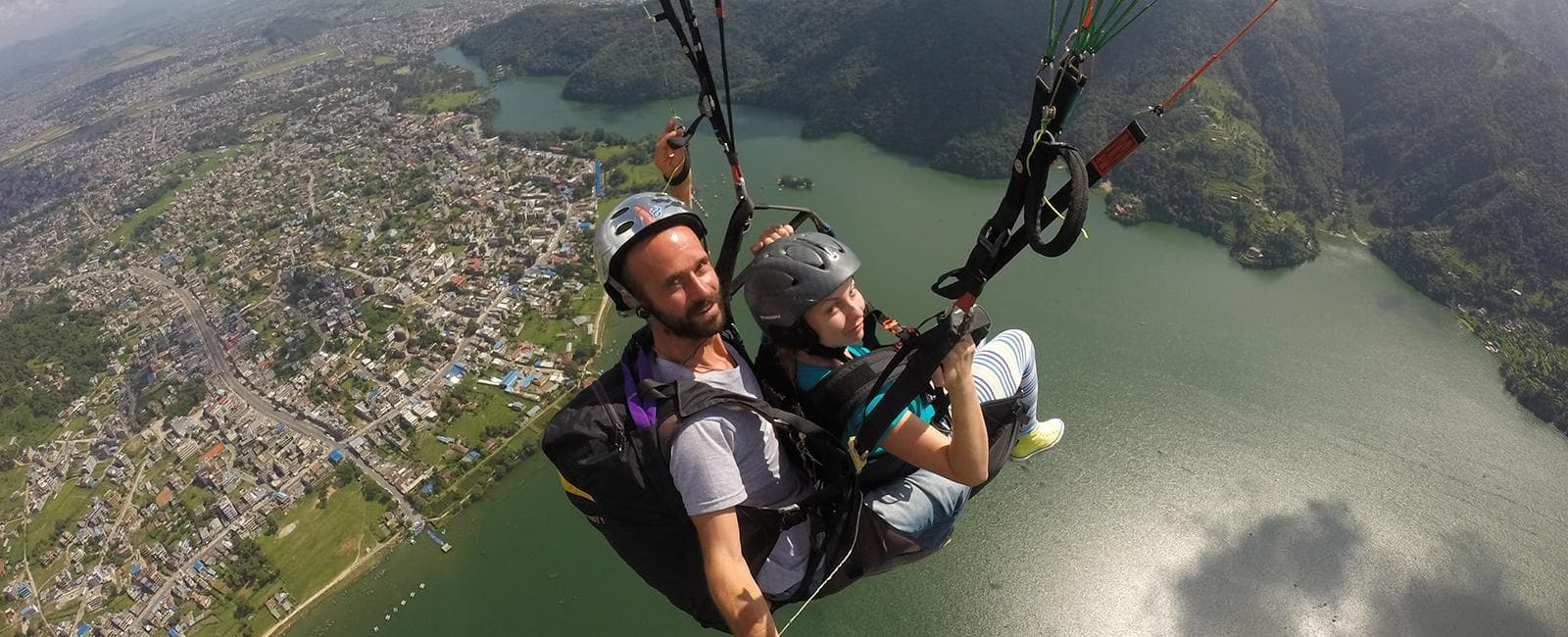
Nepal, a land of mystical mountains and legends, is a hiking paradise tucked between China and India. It has been an important silk trading location, and it is also stated that Buddha was born in Nepal. The Himalayas' lofty peaks torment many prospective alpinists in preparation for the big challenge: Mount Everest. Nepal has at long last become a paradise of peace and tolerance. Adventure in the Himalayas allows you to experience life outside of the city, where you may sense the world in a new location. If you want to attempt some of the greatest adventure activities, just travel to Nepal. Are you ecstatic at all times? Give your life the opportunity to participate in once-in-a-lifetime adventurous activities. We feel fully alive, engaged, and connected when we engage in enjoyable activities. Himalayan Wander Walkers also offers four other exciting adventure packages to make your trip to Nepal more memorable. Base Camp Trekking Trekking to the base camp is a popular pastime in Nepal. Nepal has a diversified geography, terrain, and culture. It is also known as the "Country of Mountains" since it is home to various mountains. Nepal is home to eight of the world's fourteen highest peaks, including the world's tallest peak, Mt. Everest. Furthermore, there are 1310 peaks above 600 meters, with hundreds of them available for climbing. Nepal is the greatest place for base camp hiking because the base camps are located in each of the 7000m mountains. The number of visitors visiting Nepal grows year after year. Trekking has been a benefit to Nepalese tourism. The Everest Base Camp trip is the most popular base camp trek in Nepal. It is located at an elevation of 5364 meters. The Everest Base Camp Trek is often recognized as one of the most difficult trekking destinations in the world. Base Camp Trekking is an adventurous activity. It brings you to remote trials where you may get altitude sickness. To avoid this, you should begin preparing for your expedition many months in advance. It is also advisable to see your doctor and obtain enough travel insurance. Base camp hiking also allows you to learn about the lifestyles and cultures of people who live in alpine locations. Day Hiking A day hike is a walk of several hours to a location that may be accomplished in a single day. Depending on the location, you may potentially prolong it for many days. Day hiking is typically done on the simpler trails of countryside roads. Day hiking is a popular activity in Nepal. It is popular among the tourist travelling with families and short time travelers. There are so many destinations in Nepal within and outside of Kathmandu valley perfect for day hikes. Hiking benefits to your mental and physical health as well. Also for beginner trekkers hiking can be a great warm up. Day hiking is often done at altitudes ranging from 2000m to 4000m. It is appropriate for any person or group of individuals, such as family excursions, groups of friends, educational hikes, and so on. Furthermore, day trekking does not need any prior planning. It is simple to do if you wear suitable hiking shoes and clothing. It is also a good idea to take a brief vacation from your hectic routine. It provides brief views of rural lifestyles and civilizations. Hiking, on the other hand, is a terrific method to discover nature in a short amount of time. Family Trekking Family trekking is the most significant travel experience a person can have in their lives. Trekking is a life-changing trip in and of itself. However, it leads you through difficult difficulties that are not ideal for all members of your family. Family treks are unique bundles. The challenges of this walk are simple, and any group of people may complete it. Furthermore, lodgings and other essentials are readily available throughout the trials. Family hiking programs are suited for places under 4000 meters in elevation. Furthermore, these locations are rich in culture and natural beauty. There are several trekking trails in Nepal, making it ideal for family hiking. You may do family hiking in Nepal at any time of year. However, fall and spring are recognized as the greatest seasons since they bring the best weather and sights. One of the most interesting aspects of this journey is that it teaches you about regular village living. You may also learn about the various cultures and traditions. In addition, you may experience Nepal's diverse flora and animals. This journey is an excellent opportunity to spend quality time with your family while also getting away from your hectic routine. High Pass Trekking High Pass Adventures are well-known among hikers and mountaineers. Nepal is a land of adventure. The high passes here are higher than Europe's tallest mountain. Nepal's distinctive and challenging hiking trails get you up close to the Himalayas. High Pass Adventure trips take you to passes at elevations ranging from 4000 to 5000 meters. The High Pass Adventure is appropriate for adventure seekers, hikers, and people who like to attempt new challenges on a regular basis. Many of the high pass adventure hiking trails lead you to the base camps of the biggest mountains. The high pass adventure journey brings you to a high alpine environment. This walk not only provides difficulties and excitement, but it also allows you to learn about the cultures and lifestyles of the people you meet along the way. When you see people's cheerful expressions despite their difficult circumstances, you realize the true value of life. High Pass Adventure hikes are not for the faint of heart. This requires physical fitness and the ability to walk for 7 to 8 hours every day in an unknown trial. Prior hiking experience might be advantageous. Trekkers must also be well-versed in the use of hiking equipment.High Pass Trips are the most exclusive adventures, rewarding you with a wonderful lifelong accomplishment. Hiking Hiking is a lengthy day stroll across the countryside. Trekking is a difficult terrain walk, whereas hiking is a comparatively easy terrain walk. Furthermore, trekking and hiking are similar in that both involve walking for several hours every day. Hiking provides an opportunity to explore genuine life in our modern period when people are entirely reliant on modernism. Furthermore, hiking is a beautiful walk that focuses on the journey rather than the destination. People often get to collect beautiful experiences along the way. On the other hand, it is a great option to escape from busy life and the chaos of the cities. Hiking takes you to the countryside villages. The accommodations are easily available and also you don’t need any prior planning. Hiking can be done with comfortable walking shoes and clothes; unlike trekking, it doesn’t require extra gear. Hiking is a popular activity in Nepal and it is normally done at an altitude below or up to 4000m. Thus, there is a rear chance of altitude sickness and anyone can do it with average physical fitness. A long day walk also gives you a chance to encounter the local villages, cultures, and lifestyles. Furthermore, it also has several benefits such as lowering blood pressure, reducing the risk of heart diseases, lowering body fat, and improves mental health, and many more. Nepal is one of the best destinations for hiking and offers a number of trails. Hiking is another enjoyable walk that focuses on the journey rather than the destination. People usually have wonderful encounters along the way. On the other hand, it is a fantastic opportunity to escape the rush and bustle of city life. Hiking takes you to the countryside villages. The lodgings are conveniently accessible, and no previous planning is required. Hiking, as opposed to trekking, can be done with simply a pair of appropriate walking shoes and clothes. Off the Beaten Trail Trekking Off the Beaten Path, Trekking brings you to Nepal's less traveled trails. Nepal is endowed with alpine natural beauty. Nepal, as the home of the Himalayas, has a plethora of trekking paths. Trekking in Nepal also provides an opportunity to learn about the country's rich culture, traditions, and great past. Trekking off the usual path is an excellent way to discover Nepal's hidden beauties. There are several hiking trails in Nepal that are popular with visitors. Off-the-beaten-path trials lead you to less popular trails that are less frequented by people. These trials give a fantastic opportunity to learn about Nepal's natural and cultural aspects. The trail deviates from the commonly used pathways. It also leads you to regions where you may learn about rich and unspoiled civilizations, traditions, and lifestyles. Off-the-beaten-path hiking offers a distinct trekking experience that is distinct from ordinary trekking. Solo Trekking The term "solo trekking" indicates the sort of journey. Solo trekking is a solo on-foot expedition to a challenging terrain that includes several hours of walking every day. This is the finest way to meet culture, people, and environment on your own. Solo trekking, on the other hand, helps to increase self-confidence and the capacity to investigate and explore. Traveling alone in Nepal is seen to be safer than in many other nations across the world. Nepal, with its tough geography and numerous mountains, provides a variety of hiking trails. The number of solo hikers in Nepal is growing year after year. For the safety and comfort of solitary hikers, a guide or porter guide is strongly advised. It is not, however, required if you choose to hike alone. A question arises in everyone's mind when it comes to solo hiking. Is it safe for a female solo tourist in Nepal? In reality, there are many solitary female tourists in Kathmandu's streets. Tourism-related crimes are quite rare in Nepal, and travelers are always treated with respect. Female visitors are safe in Nepal, however, it is always a good idea to hire a guide if you plan on going on a hike. Trekking Trekking is a long-distance foot trek, typically to an unknown region. Depending on the location, it might be extended for several weeks or even a month. Trekking is recognized as one of the most difficult and adventurous activities on the planet. This exercise brings you near to nature. Trekking also aids in stress reduction and mental health improvement. Trekking is a popular tourist activity in Nepal. Nepal, which is home to multiple mountains, including the largest, Mt. Everest, provides a diverse range of trekking opportunities. It is a popular pastime among Nepalese visitors. It is because trekking is more than simply a long day climb; it is an opportunity to discover Nepal's rich diversified culture, customs, and landscape. Nepal's hiking trails range from simple to moderate to challenging and demanding. The most popular trekking regions in Nepal are Everest, Annapurna, Manaslu, Upper Mustang, and Langtang. These locations feature several hiking spots that are popular with tourists. Nepal has an influx of tourists each year solely for hiking. Trekking in Nepal may be done in a variety of methods, including camping, tea house trekking, solo trekking, and many others. Trekking is an exciting trip. Trekking in Nepal does not require any prior expertise, however, you must be able to walk for at least 5-6 hours every day. The journey is readily completed by someone with ordinary physical fitness. There are also short and simple trekking trips for individuals who cannot walk for several days.
Essential Info
this is a test.
Read More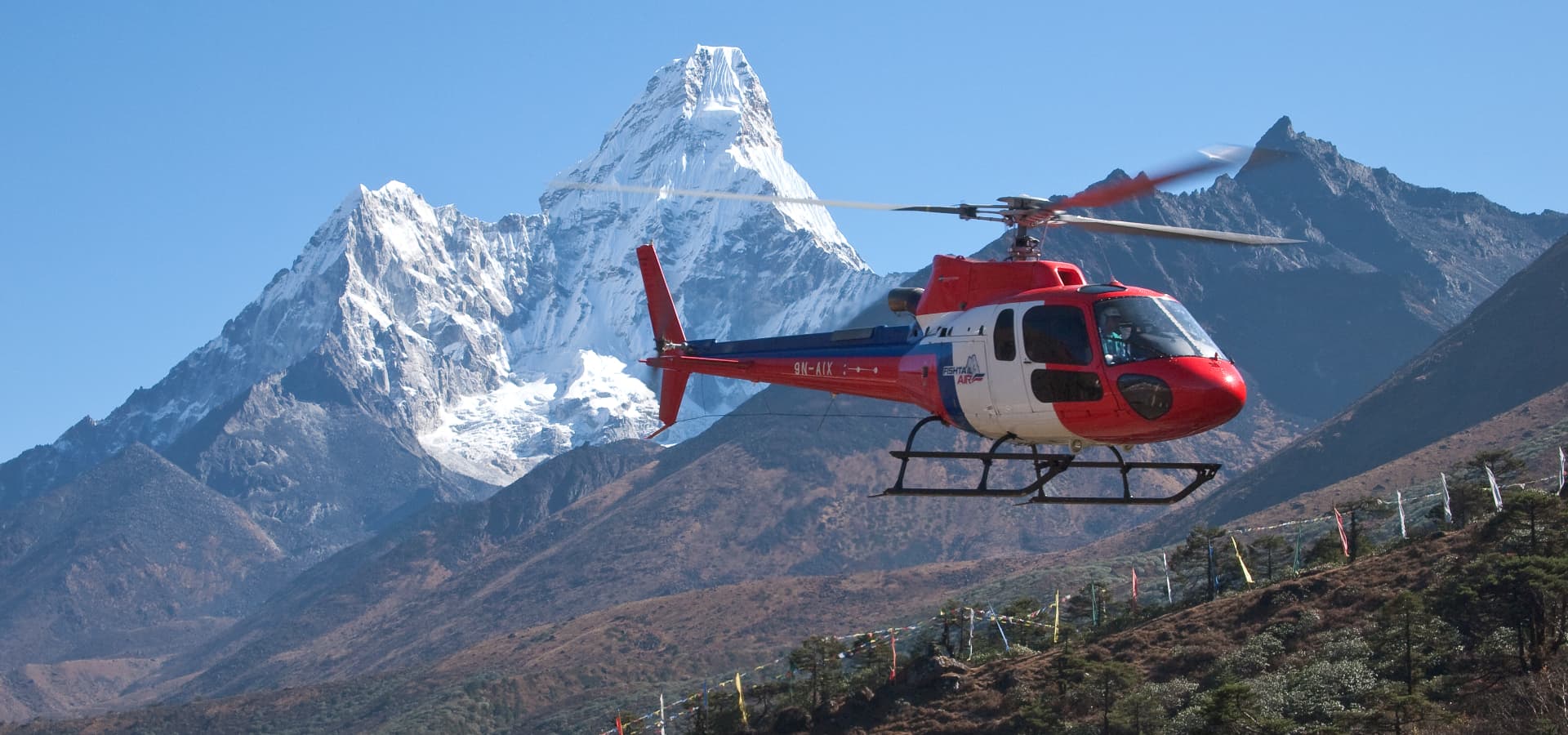
About Everest Region
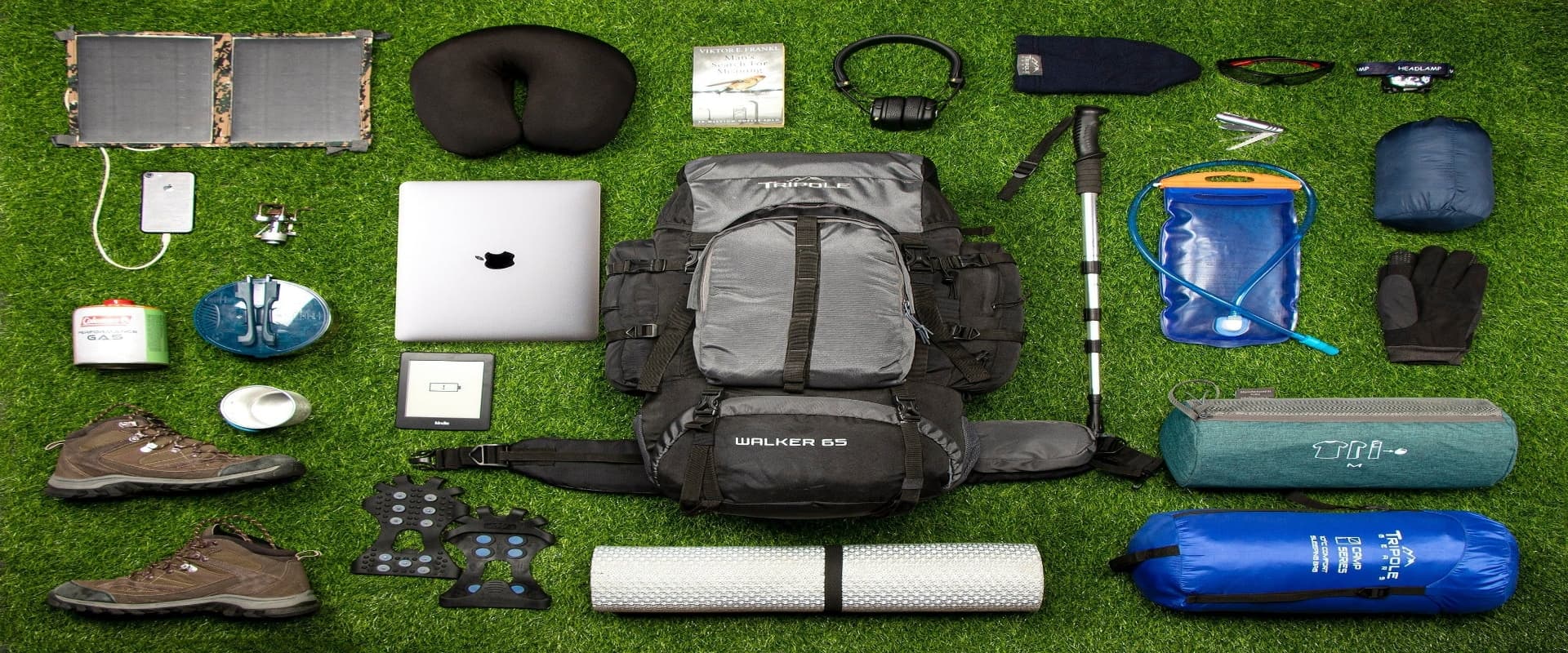
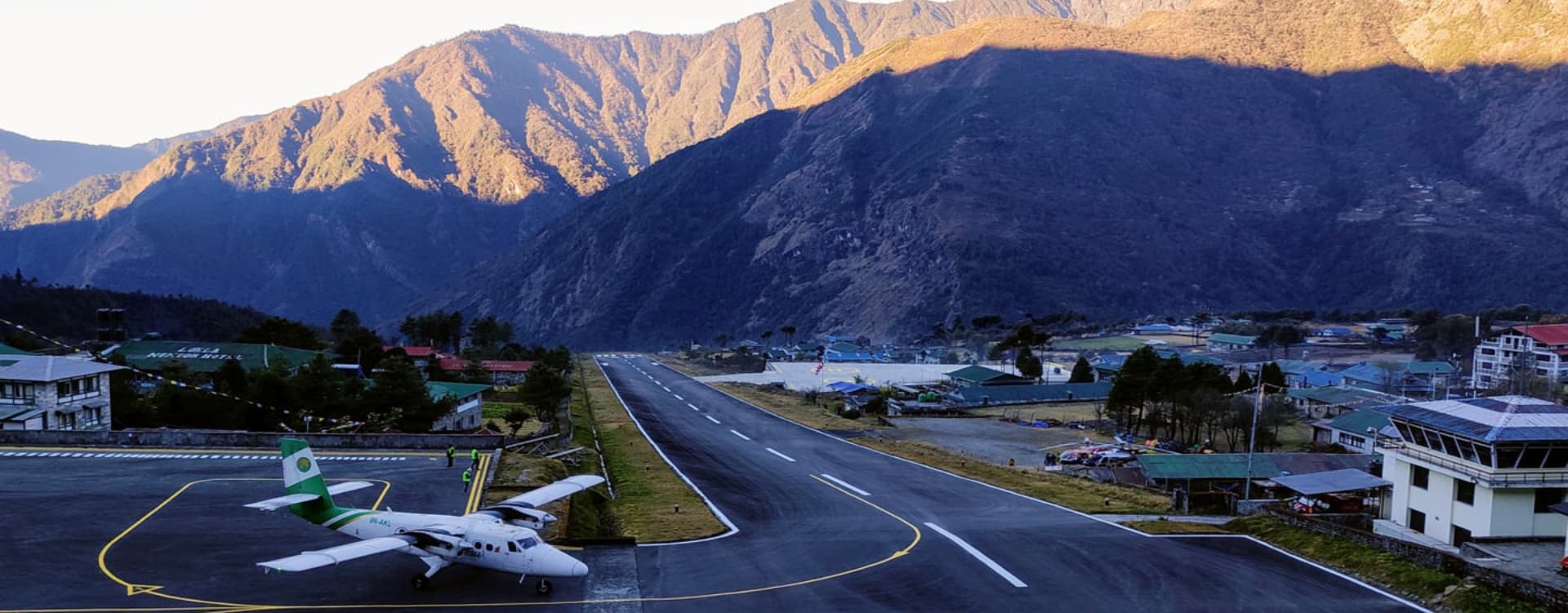
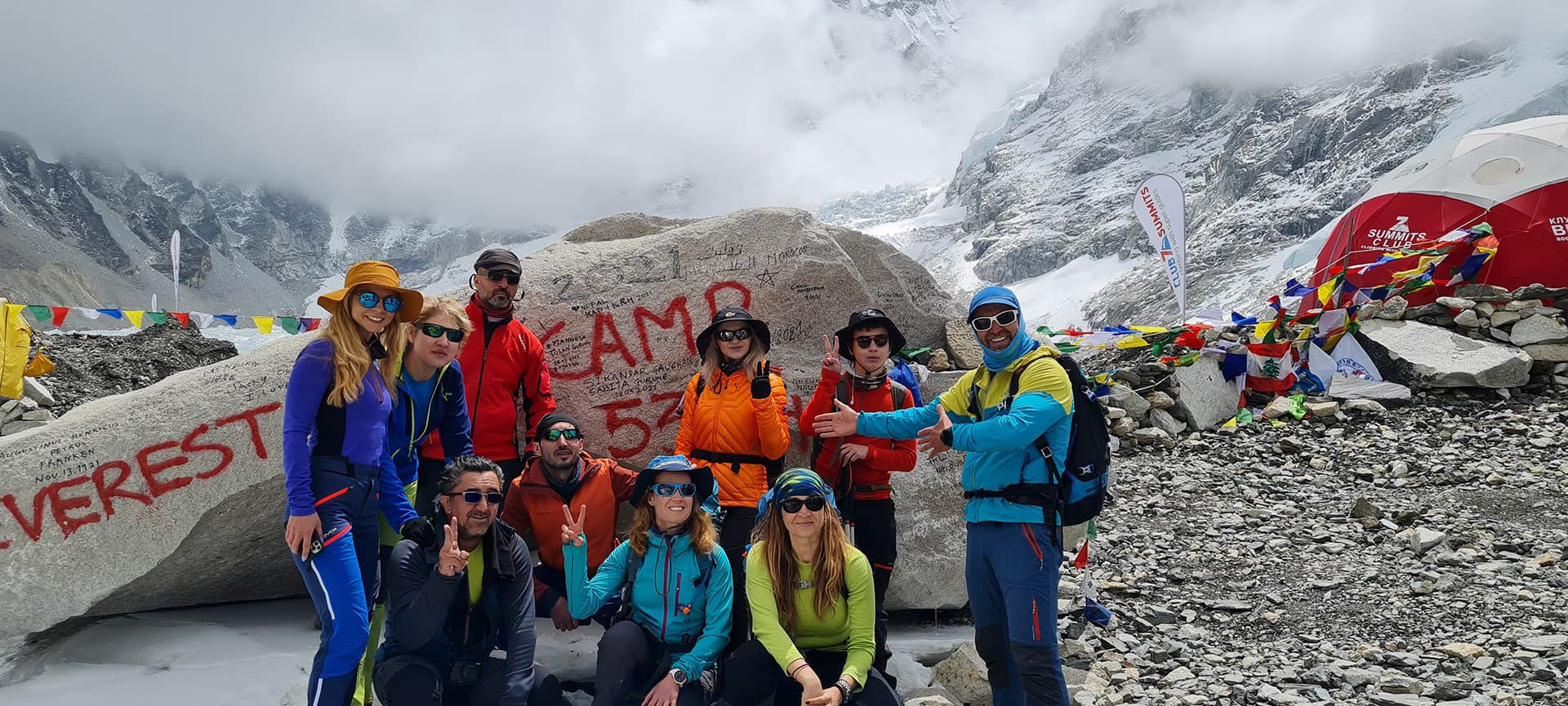
The Everest Region is Nepal's most popular hiking destination. In comparison to other trekking locations in Nepal, the Everest Place Trekking is a challenging region to approach on foot. Trekking in the Everest area begins at Lukla, which is 45 minutes by plane from Kathmandu. Lukla is a modest aviation strip with a 2,860m/ 9,383 ft inclined runway. Whether you're looking for Everest Base Camp Trekking, Gokyo Valley Trekking, Gokyo Valley Chola Pass Trek, Everest Panoramic Trekking, or something else, we've got you covered. The Everest area is famed for housing the world's tallest mountains, notably Mount Everest, which stands at 8,848 meters/29,035 feet. This region is not just one of the most aesthetically magnificent on the planet, with its sherpa people, villages, stupas, and monasteries. Massive mountains will keep you wanting to return to further explore this lovely part of the Everest Region. You will be able to see the world's tallest peak, Everest (8,848m), commonly known as 'Sagarmatha,' as well as numerous other summits above 8000m, such as Lhotse, Cho Oyu, and Makalu. In addition to the snow-white mountains, you will notice the mountain ecology, a spectacular geographical section of Solukhumbu, meet friendly Sherpa people, and watch a great variety of plant and animal life in the Sagarmatha National Park. Exploring Sherpa Museum, learning about Sherpa culture and way of life in Khumjung Village, scenic turquoise Gokyo Lake, crossing Chola Pass (5300m), Kangma La (5500m), and Renjo-La (5400m), Khumbu Ice Fall from Everest Base Camp, and visiting Tengboche Monastery are some of the major attractions of Everest Region trekking. Sagarmatha National Park in the Everest area provides some of the world's highest hikes. Here's a list of the main trekking routes and their durations and features to help you pick which trip is right for you. Each path offers spectacular vistas, so the one you choose is primarily determined by your time constraints and budget. Highlights Surround yourself with the world's most renowned mountains, and learn about Sherpa culture, towns, and climbing culture. Stay at Namche Bazaar, the closest thing to a Himalayan metropolis you'll get. Discover the world's highest national park. The Three Passes hike includes ascents of 5000m+ passes. Watch how expeditions prepare to climb Everest in the spring. Trekking in the Everest Region Everest is the drawcard, but once you start walking, you'll learn that the Everest region is much more than its famed peak. There are three valleys to explore, each with equally stunning vistas, massive snowy peaks, and charming settlements. Even if Everest were not present, the region would have some of the top hiking trails in the world. All of the hikes described here begin in Lukla (or lower) and travel north to Namche Bazaar. You may either go straight to Everest Base Camp or choose one of the other two valleys. The time and route of this walk, like other treks in Nepal, might vary based on what you're searching for, how quickly you travel, and the type of experience you want. We strongly recommend investigating these many methods to get off the main path in the Everest region for the finest experience. You might also consider sleeping in luxury lodges for part (or all) of your journey to relax after a long day of walking. A Week Below Everest (5-10 Days) If you're short on time but want to see Mt. Everest, there are a number of short treks in the Everest region that will give you a good idea of what trekking in the Everest region is all about. From Lukla, you'll rise to the well-known trading village of Namche Bazaar, then diverge to one of the smaller towns of Tengboche, Thame, or Dingboche before returning to Lukla. Gokyo Lakes Trek (12 Days) The Gokyo Lakes walk (after Everest Base Camp) is the second most popular trek in the Everest area, taking you up a parallel valley to the little lakeside settlement of Gokyo and then onto a series of secluded lakes even farther up the valley. Depending on how much time you have left, you may either return to Lukla the same route or cross the Cho La pass (17,782 ft / 5,420 m) to join the classic Everest Base Camp trip. If you have the time, a trip to these breathtaking high-altitude blue lakes is definitely worth it. Everest Base Camp Trek (13 Days) The Everest Base Camp walk, Nepal's most renowned trek, follows a well-established track, weaving its way up river valleys and past glaciers until you reach the foot of Mt. Everest, from whence all expeditions on the mountain's south side begin. When you visit in the spring, the glacier is alive with hundreds of expedition camps. Although everyone's objective is to reach Everest Base Camp, the communities and scenery along the way are the true rewards. Three Passes Trek (14-21 Days) The Three Passes trip combines the features of the various Everest area treks into a single demanding expedition. The path circles the Sagarmatha National Park, passing by all of the magnificent vistas, villages, and landmarks along the way. The trek takes you off the usual road and into more secluded regions near Everest Base Camp. Expect some difficult climbing and high-altitude mountain passes as you traverse three passes above 5000m: Kongma La, Cho La, and Renjo La. Climbing Peaks in the Everest Region Nepal also provides the opportunity to get experience going up to 6000m+ in relative safety on one of Nepal's climbing peaks. The Everest area has several peaks, the most notable of which are Island Peak, Mera Peak, and Khayu Ri. Guides & Porters: Trekking in the Everest area is difficult for the faint of heart. However, with the assistance of experienced team members, sufficient food and drink, rest, and acclimatization, you may reach the world's most famous hiking path. If you plan your trip through a local travel agency, they will arrange for guides and porters. Guides give information on the entire walk, safety precautions, food, and lodging arrangements, and ensure that all permits and airplane tickets are in order. Porter assists you in carrying your bags regularly. Guides are often well-trained and experienced individuals who speak English fluently. You can double-check before flying to Lukla. Normally, if you arrange a trip through a local agency, you will have the opportunity to meet your guide in Kathmandu, and he or she will begin leading you from day one. One thing to bear in mind is that the guide and porter will want good tips from you at the conclusion of the hike. These individuals work really hard to get you and your crew to your ideal locations in a difficult alpine setting. Before trekking preparation: Trekking in the Everest Region is not for the faint of heart. To successfully take you to these magnificent trekking sites, you will need some practice, discipline, early preparation, and the finest instruction. However, this does not imply that you must be a professional trekker. Anyone can participate in this walk, although good health, physical fitness, and self-motivation are essential. As inexperienced hikers, you may do a few things before starting the trek: Take several small walks and walk for 6-8 hours every day, both uphill and downhill. If you don't already exercise regularly, start doing so at least a month before the walk. Running, summing, cycling, and other aerobic workouts can help you increase your stamina. Which is useful for your travel. Even before the journey, try simple Yoga moves that directly help with your breathing and drink extra water to keep your body hydrated. Your trekking equipment and gear are very crucial and necessary. A sleeping bag, a pair of high mountain trekking boots, poles, a duffel bag, vital warm and hiking comfortable clothes, warm socks, gloves, sunglasses, sunscreen, and so on are all part of adequate equipment. Another important consideration is that comfortable, warm, but light clothing is preferable for high mountain walking. Ensure that all essential paperwork, documents, and thoughts concerning restricted and non-restricted items are in that zone. Best time to trek in the Everest region: The seasons in Nepal are as follows: spring, summer, monsoon, autumn, late autumn or pre-winter, and winter. Spring (March-May) and Autumn (September-November) are the best seasons for hiking in the Everest Region. Autumn and spring are the finest seasons for hiking in the Everest Region since the weather conditions are significantly more conducive to trekking. The sky is generally clear and the views of the mountains are spectacular. Summer and winter are not the best seasons for trekking, but you can travel at any time of year at your own risk. With the continual rains during the monsoon, the track is generally wet, muddy, slippery, and a challenging pathway. Mountain and landscape vistas are less appealing than in autumn and spring. However, if you try to hike during the monsoon, you will be rewarded with a glorious, dark, naughty sky, various shapes of clouds on large mountains, lush woods, rivers, and numerous waterfalls along the road. This hiking might be an exciting and novel experience for the trekkers. The crowds thin out, and hotels and lodges become more readily accessible. Equipment Checklist for Everest Base Camp Trekking The majority of the hiking in the Everest region takes place in teahouses. We'll be sleeping at local lodges and eating at local lodges. As a result, the following packing list includes the items that you will require throughout your walk in the Everest Region. Clothing’s Trekking boot, a pair of socks, a pair of trousers (thermal and windbreaker), a pair of T-shirts, a pullover, a light flesh jacket, a windproof worm jacket, gloves, a cap, a sun hat, a poncho or raincoat, a sleeping bag (-20 suggested), and so on. Toiletries Hand towel, soap, tooth brush, paste, face wash, toilet paper, wait tissue, Medical Headache, stomachache, pain killer, bandage, cotton, iodine, Diamox™ or Homeopathy coca 30 Snacks Chocolate, biscuit, chewing gum, etc Miscellaneous Camera battery, charger, flash light, lighter, sun cream, small book, day bag, bag cover, bag to give porter ( i will arrange this ) , sleeper, trekking pole, small knife and etc. Environmentally friendly Water bottle to replenish the boiling water from the lodges or iodine pills to cleanse the water, trash bag to bring till the lodge or to the proper location, and so forth. Permits required for the Everest Base Camp Trekking A Trekkers Information Management System (TIMS) card and a Sagarmatha National Park Entry Permit are required. Both will be included in the tour operator's fare and obtained in advance for you. If you want to hike on your own, you'll need $20 for the TIMS card and around $30 for the Sagarmatha National Park admission permit. Bring at least four passport-sized pictures to apply for Everest Base Camp Trekking or any trip in the Everest Region. Travel Insurance To perform any Everest Trekking in Nepal, you must have travel insurance. Make certain that your travel insurance covers any additional expenses that may arise as a consequence of any injuries, health difficulties, or accidents while on your journey. It should also cover the costs of helicopter rescue, doctor's expenses, treatment, hospital fees, and transportation. Furthermore, the insurance should cover the cost of any extra activities you want to do in Nepal that are not included in the package, as well as the cost of theft and responsibility, cancellation, and missing luggage. Are you ready for Everest Base Camp Trek? If you want a hassle-free hike in the Everest Region, including Everest Base Camp, it's always a good idea to seek the assistance of Local Trekking Companies. For more than a decade, Accessible Adventure has been the industry leader in the Himalayas. Accessible Adventure and the team of local experts are highly courteous and completely focused on service quality and committed services to consumers. You can visit our official website for further details.
Everest Region Guide
this is a test.
Read More
A Realistic Guide: Langtang Valley Trek Difficulty for Beginners
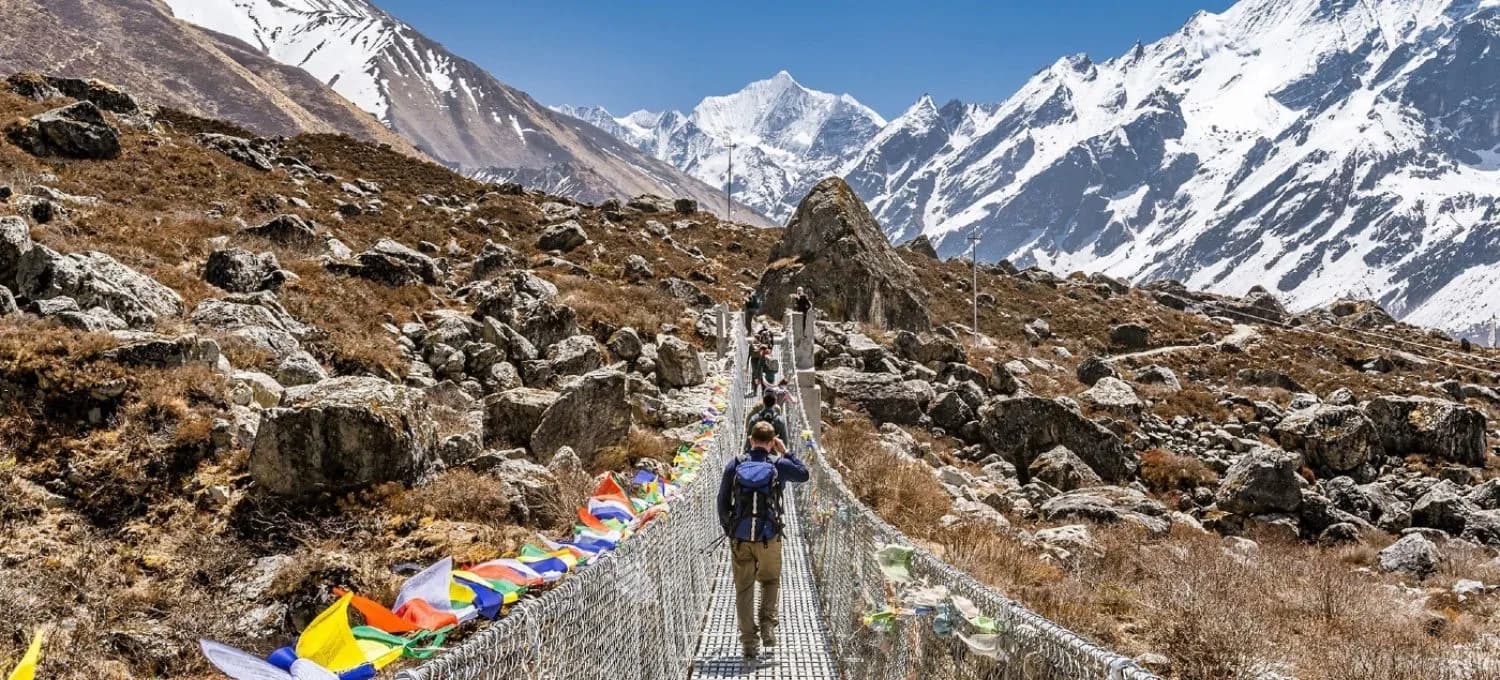
Understanding the Overall Difficulty of the Langtang Valley Trek The Langtang Valley trek might be a good option if you're planning your first adventure in Nepal. It is known as one of the easiest trekking trails in the country. However, the word "easy" might mean something different to a beginner. This article will give you a clear and honest assessment to help you understand the real challenge of the Langtang trek. We will consider the number of steps you'll take, the altitude you'll reach, and what to expect on each day. By the end, you'll be able to decide whether this trek is right for you or not. Why is the Langtang Trek a Good Trek to choose as a beginner? The Langtang Valley trek is located near Kathmandu. The trek can be started in just one day, as opposed to other paths where one has to fly or take a very long road. The local surroundings are magnificent, including forests, mountains, and local culture. The route is often not as busy as other trendy routes and can provide newcomers with a more personal and quieter atmosphere. Difficulty of the Break-Even Point of the Langtang Valley Trek. The challenge of the trek is many-sided. It is defined by a number of factors. Let’s examine each one. The Daily Walking and Take a Trek Length. The Langtang valley trek is approximately 65 to 80 kilometers long. It is quite a short one when compared to many of the other Nepali treks. The majority take five or seven days to complete it. On average, five to seven hours of walking time is taken up. You will have frequent pauses for water, snacks, and photos. The trail has ups and downs, and thus on some days it can be steep to climb, and on other days it can be slightly downhill. A gradual rate is the most appropriate. You are not required to be a super-star athlete; one needs to be healthy and average in fitness. The Challenge of Altitude The greatest difficulty for many of the beginners is altitude. The summit of the trek is Kyanjin Ri at 4,773 meters (15,659 feet). The human body requires time to adjust to the thin air. In case you climb too fast, you can be attacked by altitude sickness. The positive is that the Langtang trek itinerary will involve acclimation. It involves rest days, which include the one in Kyanjin village of Gompa. This day gives time to adjust to your body before straining to Kyanjin ri. Listen to your body and your guide. Headaches and exhaustion are usual, but in case of any serious illness, it must be reported at once. The Termination and Trial Conditions. You will not require rope and climbing gear. The walk involves the use of straightforward walking tracks, which are not necessarily level. Dust roads, rocky or narrow stone steps, and forest paths are to be used. The road can be muddy or oily, especially after it rains. Good hiking boots should be used with good traction. There are a number of suspension bridges across rivers. Others are tall and slender and can swing a little as one walks. They are not dangerous; however, they may be unpleasant for those people who are afraid of heights. An Easy Day-by-Day Visit to the Trek. The following is an example of a 7-day itinerary. It gives the timeline of what a newcomer can expect daily. Day 1: Kathmandu to Syabrubesi. It is a seven or eight-hour trek on a bumpy pathway, which can be tiresome. Day 2: Trekking from Syabrubesi to Lama Hotel. This is your first complete day of hiking with both uphill and downhill, with forest in between. This takes about six or seven hours, and you will feel the weight in your legs. Day 3: Trek from Lama Hotel to Langtang Village. The walk proceeds up the hill, and the valley is opened up with breathtaking views. The trip takes approximately five or six hours. Day 4: Trekking from Langtang Village to Kyanjin Gompa. It is fewer hours, maybe three to four, but it is more altitude to gain, which comes very slowly. On arrival at Kyanjin ⁻ Gompa, you will have two nights there. Day 5: Kyanjin Gompa acclimatization. It is a rest day, although short pauses may be made optional. A large number of trekkers pause to go a short distance up Kyanjin Ri to have panoramic sightseeing. The catchphrase is: Do not strain yourself. Day 6: Hike between Kyanjin and Lama Hotel. You start falling, and it moves faster, but it might put a strain on your knees. The day would involve seven hours of descent hiking. Day 7: Walking between Lama Hotel and Syabrubesi. This last day is mainly down through the forest, taking approximately four to five hours. Is the Langtang Trek Right? A Checklist for Beginners To determine your preparedness, use the questions below. Are you able to walk five or six hours with a light backpack? Test your stamina by taking a hike on a weekend or a hill walk. Are you generally healthy? Prevent severe heart/respiratory problems. Are you satisfied with simple accommodation? Tea houses are not fancy, rooms are not flashy, and sharing of bathrooms is common. Do you like being without extravagances? Hot showers are not as certain as daily, but the food is plain and wholesome. Do you have a positive attitude? A positive state of mind cannot be underestimated in comparison to physical fitness. Certainly, some days can be difficult, but the experience is valuable. When you answered these questions with a yes, then you are probably set to go on the Langtang Valley trek. After the Everest, How to Ease the Langtang Trek for a First-time Hiker. You are able to minimize the challenge through wise decisions. Train before you go. Do heart rate exercises like walking, running, or cycling a few weeks before your excursion. Hire a guide or porter. It is the wisest thing one should do as a beginner. A guide knows the way there, organizes the tea houses, and keeps you safe. Your main luggage is carried by a porter so that you can walk around with a humble daypack. This relieves much stress. Pack light. Only what is necessary should be brought. An oversized bag makes every movement tedious. Proceed slowly. This is the most vital tenet of trekking. A Nepali phrase, which means slowly, slowly, is called bistare bistare. There should have been a way of walking at a speed that allows you to talk comfortably. Consume ample water. Sufficient hydration will help your body to be able to withstand altitude and physical activity. The Best Time to go as a beginner. Whether or not it is difficult depends greatly on the weather. The most favorable times for novices are: Autumn (October-November): It is the most popular season. Skies are clear, the air is crisply refreshing, and the scenery is optimum. Days are neither hot nor cold, and nights are cool. Spring (March to April): It is the second-best season. The weather is pleasant, and the rhododendron flowers bloom and cover the woods with color. The monsoon season to be avoided is June to August because the trails are wet and slick. It is not advisable in winter (December to February) because it is very cold and some of the passes may be closed because of snow. Conclusion: Is the Langtang Trek doable by a Beginner? A Beginner will be able to accomplish the Langtang Valley trek. It is considered to be a medium type of trek, making it a manageable hiking activity for people new to hiking. Previous experience is not crucial, though both the body and mind have to be prepared. The Langtang Valley trek is found to be difficult due to the number of hours of daily walking and the elevated altitude of the region as well. However, when one has a good strategy, takes things step by step, and has someone to lead the way, it turns out to be an experience to remember. The feeling of being at the Kyanjin Ri with the magnificent Himalayan mountains in sight makes each step count. It is a perfect excursion of initiation into the mountains.
Langtang Region Guide
This a guide.
Read More
Accommodation in Nepal
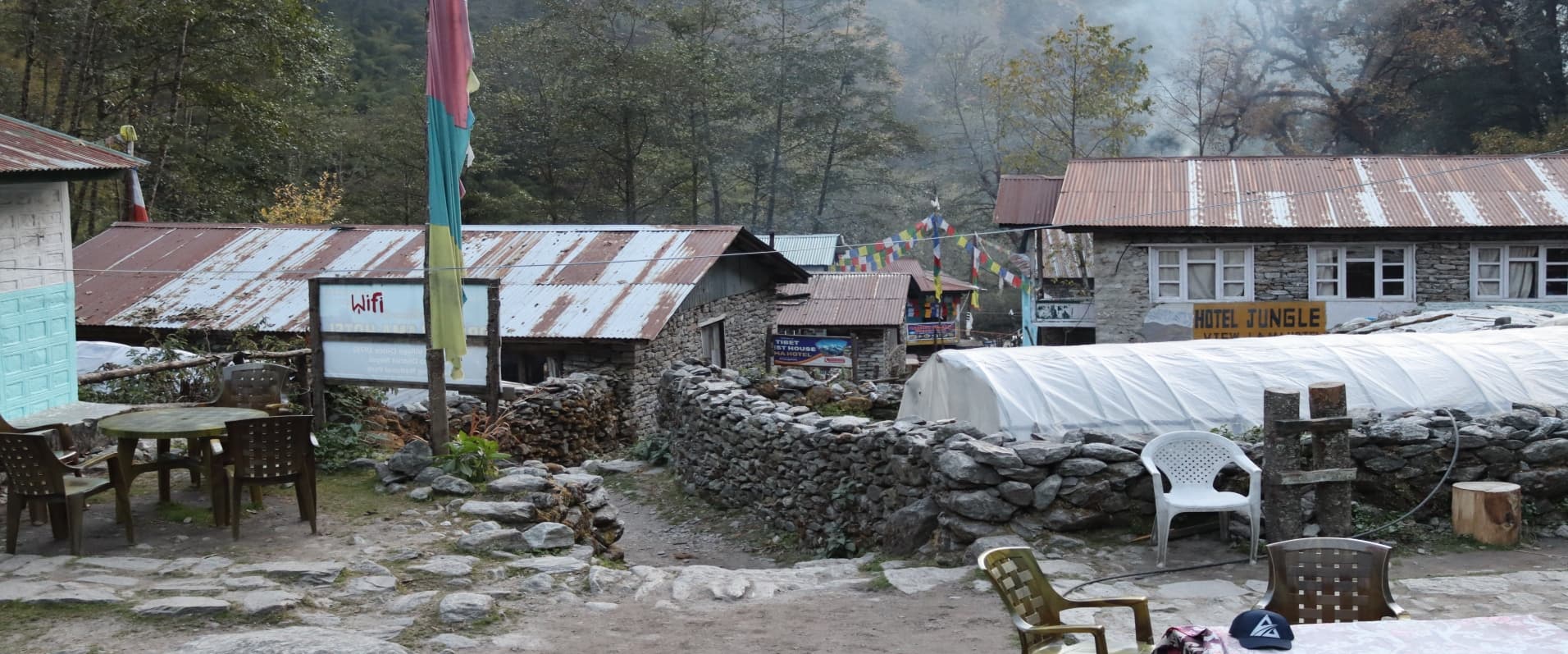
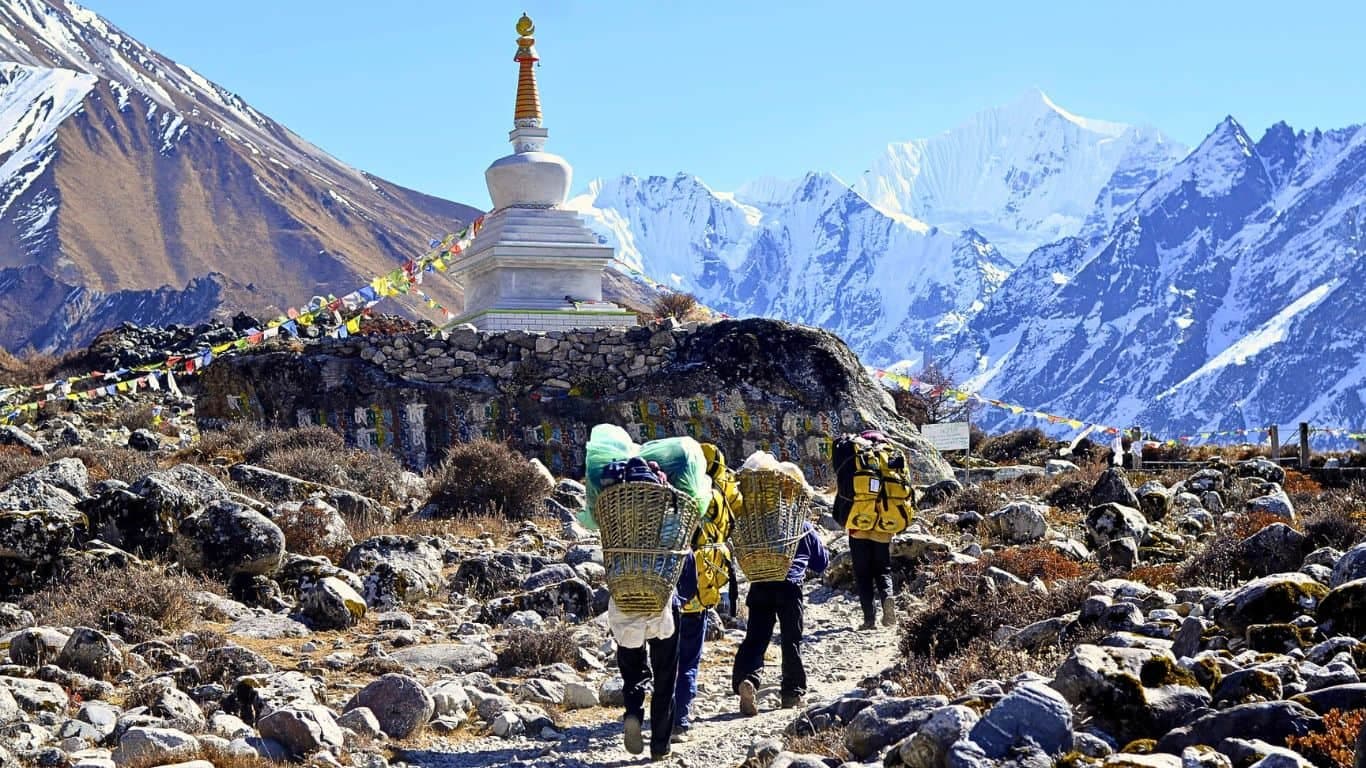
If you wish to live in Nepalese style and become acquainted with Nepalese culture, the best option is to stay with a native family. Unique Adventure International offers a bilingual and well-experienced team that can assist you in finding a suitable host family as well as a placement for your convenience. The homestay program allows any guests who want to stay with a Nepali family as paying guest to do so. Guests must eat whatever (of course sanitary food) the family eats in their kitchen, dwell in their guest rooms, and participate in celebrations such as birthdays, sacred rites, and marriage ceremonies. The homestay program is appropriate for students, family travelers, and anybody who wants to live in Nepal. This program is also beneficial for individuals who want to learn Nepali or other local languages, traditions, or a specific ritual with the locals. The homestay program is the most convenient approach to enjoying foreign culture by sharing your own culture, traditions, and experiences. During their visit, guests can pick between a single or double room, as well as a B/B plan, half board, or self-catering. Rooms are basic, with no associated bathrooms. The typical Nepali family begins their day by cleaning up their home, which is especially important for the mother, daughter, or daughter-in-law. You will also be able to study Nepalese culinary traditions and cuisine recipes here. Some trekking paths are designed to encourage homestay programs in particular. Trekkers/travelers can stay in local residences when hiking on certain paths. The goal of these programs is to accommodate tourists for only one or two nights, with home stays serving as an alternative to 'hotel & lodge' tea house excursions. Nepalese toilets (During Your Trek) Toilets in Nepal, like many other Asian countries, are often holes on the ground that you kneel over and flush with a jug of water. The idea is to squat and relax down till your calves are resting! You're undoubtedly fit enough to squat low if you're fit enough to journey! The cleanliness of restrooms varies greatly. Some are spotless, while others will make your stomach churn. But when you have to go, you have to go. So be bold and get it over with as soon as possible. However, several homestay programs in urban and sometimes rural locations provide long-term lodging. We have foreign citizens staying with us for more than a month. It all depends on what you want and need. Outside of the peak seasons (late September to mid-November and late February to late March), or when things are abnormally calm, prices might drop by up to fifty percent: a simple "discount paunchha?" ("any discount?") can frequently enough. Official tariffs often do not include government and service taxes (13 percent and 10%, respectively); rates are commonly given as "plus," implying that both must be applied. Offers offered on the spot at conventional guesthouses, on the other hand, are usually all-in – double-check. Most establishments provide a variety of rooms, ranging from inexpensive, shared-bathroom boxes to en suites with a/c and TVs. Single rooms are often half or two-thirds the price of a double room. Hotels and guesthouses accept reservations, and they are frequently required during peak seasons, local festivities, or if you arrive late at night. NEPAL'S ACCOMMODATION COST Prices vary greatly depending on where you stay and when you stay. Trekking hotels may be found for a few dollars per night, but a safari lodge in Chitwan can cost up to $250 per night. Lodging in Nepal is generally quite cheap, with the most prevalent kind of accommodation, guest houses, charging between $5 and $35 per night. Because Kathmandu and Pokhara have the most lodging, their costs may be slightly more than in other regions of the nation. Teahouses and hiking lodges in the highlands are inexpensive, but owing to the altitude and circumstances, they are relatively basic. In a shared room, don't expect much more than a wooden single bed. Prices might lower if you visit outside of peak season, so always inquire if a discount is available. Lodges Off-the-beaten-path lodges cater to Nepali tourists and are commonly referred to as "hotel and lodge" (the "hotel" part signifies there's somewhere to dine). Some are somewhat comfy, but most of the time you'll have to settle for something fairly unsanitary. The norm is bare concrete flooring, cold-water showers, and stinky squat toilets, yet you'll seldom spend more than Rs350. Bring your sleeping bag liner to guard against bedbugs and lice, as well as earplugs to drown out the expected noise. In the Terai, look for a room with a mosquito net and a functional fan (or air conditioning). This isn't to imply Nepali lodges should be avoided. The most satisfying settings are often the most rudimentary - where you sit by a smoky fire and dine with your hosts. Trekking lodges on less-traveled routes can take this form, however, there are some surprisingly pleasant ones out there as well. Guesthouses Guesthouses are the name given to several tourist-oriented places to stay in Nepal. This category includes anything from rustic flophouses to luxurious modest hotels. Most establishments have a variety of rooms at various costs, as well as dorm beds on occasion. Those that cater to visitors often do so efficiently: most innkeepers speak great English and can arrange anything from laundry to trekking/porter rental. Despite claims to the contrary, you can not expect consistent hot water (many places rely on solar panels) or uninterrupted electricity (power cuts are a daily occurrence, though some establishments have generators). If you want continual hot water, inquire about the guesthouse's water-heating system; the best option is "geyser" (pronounced "geezer"), which refers to an electric immersion heater or backup. All but the most basic guesthouses will have a safe, and the most upscale establishments may have security boxes in each room. Guesthouses on a budget Kathmandu and Pokhara each have their tourism districts, with tight rivalry among inexpensive guesthouses ensuring exceptional value. All save the most basic accommodations in these enclaves have hot running water (although infrequently), flush toilets, foam beds, and clean linens and blankets. Expect plainer and scruffier lodgings elsewhere in Nepal. Most guesthouses also have a roof patio or garden, a phone, and a television. However, they are rarely heated, making them exceedingly frigid in the winter. Most inexpensive hotels charge Rs300–1000 for a room, and the quality varies greatly; the lowest alternatives frequently feature communal toilets. Budget-friendly inns For lack of a better name, mid-range guesthouses are becoming increasingly popular. Rooms are often larger and have a fan (or perhaps a/c), as well as a phone and a television. In the restrooms, toilet paper is given, and the hot water is more consistent. In the winter, the nicer ones will have a portable electric heater. A double room of this type would cost between Rs1000 and Rs3500. Most mid-range guesthouses list their pricing in dollars, but you may also pay with rupees and, in some cases, credit cards. Resorts and hotels The more costly hotels and resorts are difficult to generalize about. Some demand a high price to keep you away from the Nepal you came to see, while others provide one-of-a-kind experiences. Prices for international-style features start around $50 but expect to pay $100 or more per night for a very upscale establishment. This book also suggests a few smaller resort hotels that provide something distinctive, such as a stunning view or historic architecture. Jungle hotels and tented camps within Terai animal reserves are usually the most costly alternatives, asking $250 or more per night. Homestays and village stays A rising number of programs allow guests to spend the night in private houses in rural towns off the beaten path. Village stays (also known as village tourism or homestays) provide a unique chance for comfortable cultural immersion and have the potential to disperse tourists and extend the economic benefits of tourism to rural communities. A tour operator contracts with an entire village to accommodate and entertain guests; rooms in local houses are outfitted with bathrooms and a few tourist-style comforts, host families are trained to prepare meals that will not upset delicate Western constitutions, and a guide accompanies the guests to interpret, if necessary. There are various village tourism programs, including one conducted by the respected Pokhara-based Child Welfare Scheme in Chisapani, southeast of Pokhara near Rup Tal, and others in and around Tansen and Bandipur. A few language institutes and other organizations in Kathmandu and Patan also conduct homestays with local families. ACCOMMODATION BY CAMPING OR TENTING Camping is frequently given on hiking or climbing routes when teahouse accommodations are not easily accessible. Despite the availability of accommodations for adventure and entertainment, some hikers prefer camping or tenting accommodation. During this time, you will be given a 2-man tent, nice sleeping mats, kitchen equipment, and food. The STEP ON HIMALAYA staff will assist you in erecting the tent or camp towards the end of the day. Fresh veggies are readily accessible in the area. Food in cans is also available. You must plan for this nomadic experience and notify us in advance so that the preparations and staff for the cooking crew (chef, kitchen boy, porters) and the Trekking guide may be managed appropriately according to the size of the party. This style of lodging allows you to have a unique mountain experience. Everest and Annapurna Trekking Accommodation The Everest Base Camp Trek, as well as the major hiking trails of Annapurna, Langtang, and Manaslu, provide various lodges for your meals and accommodation. Light blankets are provided in the rooms at these resorts. However, we strongly advise you to bring your sleeping bag. These hotels feature modest rooms that provide minimal accommodation when trekking in the Himalayas. Please do not anticipate high-end accommodations, especially in the highlands. Although the lodges have their own set of standards. If you prefer luxury accommodations, please choose our Everest Luxury Expedition, which includes exclusively luxury accommodations during the trek. The lavatory is located outside of the main structure, and the shower water is solar heated, which means you may expect pleasant warm showers or pay for a gas shower. There is no running water accessible during the winter and snowy season, but they may supply buckets of hot water to have a shower fantasy in the Himalayas. We need to order our meals as early as possible since they provide fresh dishes created particularly for you. In the event of an emergency, they are available 24 hours a day, seven days a week. Laundry facilities are only accessible in a few places on the Everest Base Camp Trek, so make sure you carry enough clothing for your Stunningly Beautiful Trek for A Lifetime Experience! However, for Luxury Trekking such as Everest Base Camp, Everest View Trek, Annapurna, Dhampus Sarangkot, and Chandragiri, Luxury Comfort Lodges will be given. The accommodation facilities, meals, and items in these luxury hotels and lodges will differ from their standard. Furthermore, community lodge and home stay accommodations are available at Mohare Danda Community Trek and Khopra Trekking, as well as Chitre High Bridge Trekking. Location Snacks Wifi Charging per hour Hot shower Soft drinks Boiled water Phakding 200 500 350 400 250 150 Namche Bazaar 200 500 250 500 300 150 Tengboche 200 Everest Link 300 600 400 200 Dingboche 150 Everest Link 600 500 300 250 Pheriche 200 Everest Link 350 500 450 200 Lobuche 300 Everest Link 600 700 400 300 Gorak Shep 500 Everest Link 500 700 400 400 Room Amenities in Nepal Trekking Accommodation Almost every accommodation on the walk has two single beds that can sleep two people. Because of the limited number of lodges, if you are a single trekker, you may need to share your room with someone else (same-sex) in some places, such as Lobuche and Gorakshep of Everest Base Camp Trek, Throng Phedi, and Throng High Camp of Annapurna Circuit Trekking, Macchapuchre and Annapurna Base Camp of Annapurna Base Camp Trekking, and Mardi Base Camp of Mardi. Private Rooms / Single Supplement / Hotel Upgrade If you prefer private accommodations, a single supplement, or an upgrade in hotel quality for your vacation, please send us a note with the adjustments you wish to make. On special request, a single supplement or hotel upgrade will be offered at an extra fee. Sustainable Tourism While tourism is an important element of Nepal's economy, it does not always benefit the nation. The Responsible Travel Nepal program gives training and assistance to Nepali tourist enterprises – hotels and resorts, trekking and adventure organizations, travel agents, and so on – to encourage them to guarantee their operations and management practices adhere to sustainable tourism principles. Importantly, it underlines the commercial benefits of implementing these concepts, assisting enterprises in developing relationships with operators and travelers, improving marketing efforts, and expanding their operations. The website of Responsible Travel Nepal (w rt-responsibletravel.com) gives information on the member firms and is a good place to start when organizing activities in Nepal. How are the restrooms on the trail? Some of the lower lodges have clean western-style flush toilets, but as you ascend higher, lengthy drop toilets that are a hole in the ground become increasingly popular. Some are superior to others. Although every lodge sells toilet paper, it is recommended that you have some with you at all times. If you need to use the restroom while on the trip, you can stop at any of the other lodges or businesses along the way. Do not hide behind bushes or leave used toilet paper lying around. Most indoor toilets contain a pail for old toilet paper, which is crucial because all waste ends up in vast pits underneath, many of which seep into the river system. Paper is often burned. What about trash on the journey? There is currently no recycling on the trails in Nepal, however, there is a recycling plant in Namche Bazaar. The Everest Base Camp Trek currently attracts over 20,000 visitors each year, resulting in a massive quantity of garbage. Many people simply throw it on the ground, while others use the lodge bins or burn it in the stoves, but recycling is not yet a viable alternative. We do not want people to leave trash wherever, but we prefer that all of our clients store their trash in a container or bag and carry it back to Kathmandu. During a journey, one person usually creates less than 1 kg of garbage from candy wrappers and other items, so it would not be a hardship. Please assist us with our policy of packing your trash. What about water to drink when trekking in Nepal? Bottled water is available for purchase, however, we do not advocate using single-use plastic bottles. Please keep in mind that cheap Nalgene water bottles purchased in Nepal are not genuine Nalgene and quickly split when filled with hot water! You have the option of ordering boiling water from the lodge kitchen or treating the tap water. River water is typically full of glacial silt and may be polluted with animal urine and bathroom run-off, so do not drink it. The tap water at the lodges is piped from high up, away from rivers and pristine glaciers, so it is better, but it still has to be treated. One method is to utilize iodine drops (3 per liter) purchased in Kathmandu (locally known as Lugols solution, accessible in stores in Thamel) and flavor it with Tang powder purchased locally. You might also try chlorine-based pills, however, they leave a taste in the water. You could also buy a Steripen, which utilizes UV light to destroy bacteria, although it's a bit fragile to transport. Aquaprove, a water purifying tablet that uses cutting-edge technology, is our favorite. It's light, simple to use, has no aftertaste, and most importantly, it kills all microorganisms in contaminated water. How is trekking equipment transported in Nepal? Large expeditions employ yaks to transport all of the climbing equipment to a mountain's base camp, which is a classic depiction of how goods are transported in the Himalayas. People carry all of the equipment and trekkers' clothes on shorter trekking peak expeditions and treks. In reality, as you travel across Nepal, you will notice that people carry almost anything, from wood and stone to all the products on sale in stores, mattresses, beer, water, and even old people. Nowadays, you won't see many Sherpas lugging things on their backs; instead, they'll be guiding or operating teahouses and lodges. Other castes, such as the Rai, who live in harmony with the Sherpas, are utilized to carry baggage. They hold the sacks with a tumpline over their brow, and the accepted weight of a bag is around 15kg.
Nepal
Nepal
Read More
Best Time for Climbing Peaks in Nepal
Best Time of the Year for Climbing Peaks in Nepal Nepal is home to eight of the world's 14 highest peaks , each towering over 8,000 meters. Among them is the majestic Mt. Everest, which dominates the stunning Khumbu region. With over 1,300 peaks in the Himalayas rising above 6,000 meters, Nepal is aptly called the " Himalayan nation. " Nepal's reputation as a mountaineering and trekking destination is well-deserved, thanks to its awe-inspiring peaks. The peaks that are less than 6,000 meters high are known as trekking peaks and require minimal mountaineering skills, making them ideal for novice climbers. Mera Peak , Island Peak , and Lobuche Peak are some of the most sought-after climbing peaks in Nepal. Scaling these peaks offers a unique opportunity to experience the thrill of mountain climbing while taking in breathtaking views of the Himalayas. Whether you are a seasoned climber or a first-timer, Nepal's peaks offer something for everyone. In this blog, we will explore the best time for peak climbing in Nepal. Climate in Nepal Nepal's climate is greatly influenced by its altitude and topography, ranging from the tropical Terai plains in the south to the high-altitude Himalayas in the north. Generally, Nepal experiences four distinct seasons: spring (March to May), summer (June to August), autumn (September to November), and winter (December to February). Its high altitude and mountainous topography largely influence the climate of the Himalayan region in Nepal. The region experiences a highland climate, characterized by low temperatures, high winds, and occasional heavy snowfall. The winter months in the Himalayas are extremely cold, with temperatures dropping well below freezing, especially at higher altitudes. Snowfall is common during this time, and many high-altitude passes and trails may be closed due to heavy snow and ice. The summer months bring the monsoon season to the Himalayan region, with heavy rainfall and occasional thunderstorms. Trekking during this time can be challenging due to the muddy trails and slippery conditions. However, some areas in the Himalayas, such as the rain shadow regions of Mustang and Dolpo, are relatively dry and can be ideal for trekking during the monsoon season. Peak Climbing in Nepal in Each Month Here is a detailed overview of the weather profile for peak climbing in Nepal for each month: January: This is typically the coldest month in Nepal, with colder temperatures, snowfall, and fewer crowds. However, with the right equipment and experience, some peaks can still be climbed. February: This is another cold month in Nepal, with snowfall and lower temperatures at higher elevations. However, some peaks can be climbed during this time with proper gear and experience. The skies are generally clear, offering stunning views of the snow-capped mountains. March: This marks the beginning of spring in Nepal, with mild temperatures, stable weather, and clear skies. This is a popular season for peak climbing, but the trails and accommodations can be crowded. April: This is another great month for peak climbing in Nepal, with mild temperatures, stable weather, and clear skies. However, this is also a busy season for peak climbing and trekking, so the trails and accommodations can be crowded. May: This marks the end of the peak climbing season in Nepal, with mild temperatures, stable weather, and clear skies. However, the higher elevations may still see some snowfall, so proper gear and experience are necessary. June-September: These are the monsoon months in Nepal, with heavy rainfall, high humidity, and generally unstable weather. Peak climbing during this time is not recommended due to the increased risk of landslides and other hazards. October: This is considered the best month for peak climbing in Nepal as the weather is generally dry and clear, with mild temperatures and stable conditions. However, the higher elevations may still experience some snowfall and colder temperatures. November: Similar to October, this is a great month for peak climbing in Nepal with dry and clear weather, mild temperatures, and stable conditions. The higher elevations may still see some snowfall, but the overall weather is favorable for climbing. December: This month marks the beginning of winter in Nepal, with colder temperatures, occasional snowfall, and clearer skies. Some peaks can still be climbed during this time with proper gear and experience. Overall, the best time for peak climbing in Nepal is during the fall and spring seasons when the weather is stable and clear. However, it's important to research the specific peak you plan to climb and consult with a local guide to determine the best time based on your skill level and experience. How Altitude Affects the Best Time to Climb Peaks in Nepal? Altitude is a crucial factor that affects the best time to climb peaks in Nepal . As you climb higher, the weather conditions become more extreme and unpredictable, making it more challenging to summit peaks. Therefore, it's essential to choose the right time of the year to climb peaks based on the altitude you'll be climbing at. For peaks below 6,000 meters, the best time to climb is during the spring (March to May) and autumn (September to November) seasons. During these seasons, the weather is relatively stable, and there are fewer chances of precipitation and snowfall. The temperatures are also milder, making it easier to climb without the risk of hypothermia. For peaks between 6,000 and 7,000 meters, the best time to climb is during the autumn season , as the snow levels are lower, and there are fewer chances of avalanches. The spring season is also a viable option, but the temperatures can be colder and more unpredictable, making it more challenging to climb. For peaks above 7,000 meters, the best time to climb is during the spring season , as it offers the most stable weather conditions. The temperatures are milder, and the winds are calmer, making it easier to climb. However, it's essential to avoid climbing during the monsoon season (June to August) and winter season (December to February), as the weather is extremely unpredictable and dangerous Climbing Peaks in Nepal during the Autumn Season The autumn season, which spans from September to November, is considered the best time of the year for climbing peaks in Nepal. Here are some advantages of climbing peaks during the autumn season: Clear Weather: The autumn season offers stable and clear weather conditions, making it easier to climb peaks. The skies are generally clear, and the temperatures are milder, making it more comfortable for climbers to ascend to higher altitudes. Lower Risk of Precipitation: The chances of precipitation, such as rain or snowfall, are relatively low during the autumn season. This makes it easier for climbers to ascend to higher altitudes without the risk of being caught in a sudden storm or blizzard. Stunning Scenery: The autumn season is also the time when the monsoon season has just ended, and the skies are clear. This allows for stunning views of the Himalayan peaks and landscapes, making the climb even more rewarding. Lower Crowds: Compared to the peak climbing season of spring (March to May), the autumn season sees fewer crowds on the trails and at the base camps. This provides climbers with a more serene and peaceful experience, with fewer distractions and noise. Festivals and Culture: Nepal celebrates several festivals during the autumn season, including Dashain and Tihar. These festivals provide a unique insight into the culture and traditions of the Nepalese people and offer climbers a chance to experience the local way of life. Climbing Peaks in Nepal during the Spring Season The spring season, which spans from March to May, is another popular time for climbing peaks in Nepal. Here are some advantages of climbing peaks during the spring season: Moderate Weather: The spring season offers moderate weather conditions, with mild temperatures and lower chances of precipitation. This makes it easier for climbers to acclimatize to higher altitudes and ascend to the summit. Blooming Rhododendrons: The spring season is also the time when the rhododendrons, Nepal's national flower, are in full bloom. This adds a splash of color to the trekking trails and base camps, providing climbers with a beautiful and scenic environment to climb in. Longer Days: During the spring season, the days are longer, providing climbers with more daylight hours to trek and climb. This makes it easier to reach the base camps and summit, as climbers can start earlier and trek for longer periods. Higher Chance of Clear Skies: The spring season also offers a higher chance of clear skies, making it easier for climbers to enjoy stunning views of the Himalayan peaks and landscapes. This provides a more rewarding climbing experience, with breathtaking views that will stay with climbers for a lifetime. Is it possible to climb peaks in the off-season? Climbing peaks in Nepal is possible throughout the year, including in the off-seasons. However, it's important to note that climbing during the off-season can come with additional challenges and risks, and may require extra preparation. The off-seasons in Nepal are generally considered to be summer (June to August) and winter (December to February). Climbing during the summer can be challenging due to the monsoon season, which brings heavy rain and high humidity, making climbing routes slippery and dangerous. Similarly, climbing in winter can be challenging due to colder temperatures, heavier snow, and more difficult access to high-altitude areas. Despite these challenges, climbing in the off-season can also offer unique advantages, such as quieter trails and lower permit fees. However, it's crucial to prepare adequately for the specific conditions of each season, including having the appropriate gear, training, and support. It's also worth noting that some peaks may be closed or restricted during the off-season for safety reasons. Therefore, it's important to check with the relevant authorities and obtain the necessary permits before embarking on a climbing expedition during the off-season. In summary, climbing peaks in Nepal is possible throughout the year, including in the off-seasons. However, climbers should be aware of the additional challenges and risks and prepare adequately for the specific conditions of each season. Peak Climbing: How to Prepare for the Cold Weather? Preparing for cold weather while climbing is essential to ensure a safe and comfortable ascent. Here are some tips on how to prepare for cold weather while climbing: Layering: Dress in layers of warm, breathable clothing. A base layer that wicks moisture away from the skin, an insulating mid-layer, and a waterproof and windproof outer layer are recommended. Layering allows you to adjust your clothing to changing weather conditions. Proper headwear: Wear a warm hat that covers your ears, and a balaclava or face mask to protect your face and neck from the cold wind and snow. Hand protection: Use insulated, waterproof gloves or mittens to protect your hands from the cold and wind. Consider bringing extra pairs in case they get wet. Footwear: Wear insulated and waterproof climbing boots with crampons or spikes to provide traction on icy or snowy terrain. Thick wool socks or synthetic blends that wick moisture away from your feet are also recommended. Hydration and nutrition: Cold weather can dehydrate you quickly, so drink plenty of fluids and eat high-calorie, nutrient-rich foods to keep your body fueled and warm. Shelter and warmth: Bring a high-quality, four-season tent and sleeping bag designed for the cold weather. Use a sleeping pad for insulation and consider bringing a portable stove to heat water and food. Final Say, The best time to climb trekking peaks in Nepal is during the spring season (March to May) and the autumn season (September to November) . These months are ideal for climbing and trekking because the weather is generally dry and stable, with clear skies and mild temperatures. As a result, you'll have optimal visibility for enjoying the stunning mountain scenery. Additionally, during these seasons, you'll have a greater chance of experiencing festivals and cultural events in Nepal, adding to the overall experience of climbing trekking peaks. It's important to note that weather conditions can be unpredictable at high altitudes, so it's crucial to check weather forecasts and be prepared for changing conditions. You should also make sure to acclimatize properly to avoid altitude sickness and ensure a safe and enjoyable climb.
Peak Climbing Guide
This is a test.
Read More