No cancellation fees. No hassle. Book Now, stay relaxed.Cancellation Terms
Mera Peak Climb via Nazing and Amphu Lapcha Pass

Starting from

$5,000$4,290/ person
Book Now ↓

Mera Peak Climb via Nazing and Amphu Lapcha Pass

Country

Nepal

Duration

21 Days

Difficulty

Strenuous to Challenging

Max Altitude

6,476m/21,247ftm

Style

Peak Climbing

Status

March-June & Sept-November

Why Choose the Mera Peak Climb via Nazing and Amphu Lapcha Pass

Embark on the Ultimate Himalayan Adventure: Mera Peak Climb via Nazing and Amphu Lapcha Pass

If you’ve ever dreamed of standing atop a Himalayan peak while soaking in jaw-dropping vistas, the Mera Peak Climb via Nazing and Amphu Lapcha Pass is the ultimate adventure. Combining breathtaking natural beauty, thrilling challenges, and authentic cultural encounters, this expedition is perfect for those seeking an unforgettable journey in the heart of the mountains.


What Makes This Trip Unique?

This adventure is designed for climbers who want more than just a trek. It’s a well-balanced itinerary that combines exploration of remote valleys, crossing high-altitude passes, and summiting Mera Peak at 6,476 meters. You’ll experience the tranquil beauty of the Nazing Valley and the dramatic thrill of Amphu Lapcha Pass, all while surrounded by some of the tallest peaks in the world.


Highlights for Mera Peak Climb via Nazing and Amphu Lapcha Pass Package

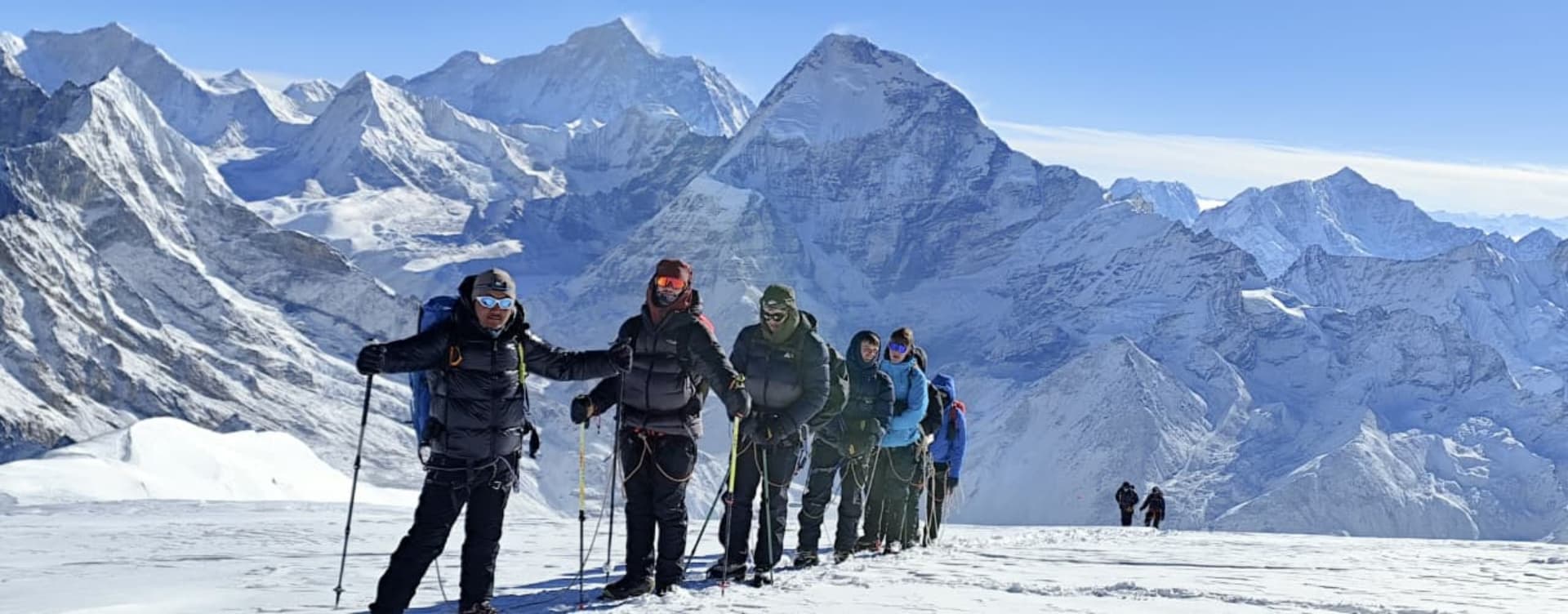
  • Spectacular Panoramas: Admire Everest, Lhotse, Makalu, Kanchenjunga, and Cho Oyu from the summit of Mera Peak.
  • Off-the-Beaten-Path Trails: Trek through the serene and untouched Nazing Valley, far from crowded trekking routes.
  • Challenging Amphu Lapcha Pass: Conquer one of Nepal’s most demanding high-altitude passes.
  • Cultural Immersion: Visit traditional Sherpa villages and experience their warm hospitality.
  • Glacial Adventures: Navigate glaciers and snowfields, adding excitement to your climb.
  • Acclimatization Opportunities: Carefully planned stops ensure a safe ascent to high altitudes.
  • Memories of a Lifetime: Capture stunning views, form bonds with fellow adventurers, and achieve a monumental goal.


Detailed Journey Breakdown

  • Beginning in Kathmandu

The adventure begins in Kathmandu, where you’ll have time to explore the vibrant city, prepare for the trek, and meet your team. A short but exhilarating flight to Lukla sets the stage for the climb.

  • Exploring the Nazing Valley

As you trek through the Nazing Valley, expect lush forests, glimmering streams, and picturesque landscapes. The peaceful surroundings allow you to connect with nature and mentally prepare for the challenges ahead.

  • The Amphu Lapcha Pass Challenge

Crossing the Amphu Lapcha Pass is undoubtedly one of the most thrilling parts of this journey. This high-altitude pass requires determination and steady focus, but the reward is unparalleled views of snow-capped peaks and glacial terrain.

  • Conquering Mera Peak

The climb to Mera Peak is non-technical, making it accessible to those with basic mountaineering skills. Reaching the summit is a triumphant moment, as the surrounding Himalayan giants leave you speechless.

  • Returning to Kathmandu

After summiting Mera Peak, the descent offers time to reflect on your achievements. With each step back to Lukla, you’ll carry memories of an extraordinary adventure that will last a lifetime.


Why This Adventure Stands Out

This carefully crafted itinerary balances physical challenges with cultural experiences and natural beauty. Unlike standard trekking packages, it provides a unique blend of less-explored trails and high-altitude climbs. With expert guides and support, your safety and success are prioritized at every step.


Tips for a Successful Climb

  1. Train Regularly: Build stamina and strength before the trip.
  2. Pack Smart: Bring quality trekking and climbing gear for varying conditions.
  3. Acclimatize Properly: Stick to the itinerary to avoid altitude sickness.
  4. Stay Hydrated: Drinking plenty of water helps maintain energy levels.
  5. Trust Your Guides: Follow their advice to ensure a safe and enjoyable journey.

This Mera Peak adventure is more than a trek—it’s a personal challenge, a cultural immersion, and a chance to witness some of Earth’s most awe-inspiring landscapes. Don’t miss the opportunity to create unforgettable memories on this one-of-a-kind expedition!

Trip Summary

DayDestination & ActivitiesDistanceTimeMountain Seen
1

Arrival in Kathmandu (1,400m)

10 km30 minsOn a clear day: Langtang Lirung, Ganesh Himal (from flight)
2

Fly Kathmandu – Lukla (2,800m) → Trek to Paiya (2,730m)

Flight: 138 km, Trek: 8–10 kmFlight: 35min, Trek: 5-6 hrsKusum Kanguru
3

Paiya → Pangom (2,850m)

11 km5-6 hrsKongde Ri
4

Pangom → Nazing (2,950m)

10 km4-5 hrsMera Peak (distant)
5

Nazing → Cholem (3,550m)

12 km5-6 hrsMera Peak
6

Cholem → Kholakharkha (4,200m)

9 km5-6 hrsMera Peak, Naulekh
7

Kholakharkha → Kothe (3,691m)

11 km5-6 hrsMera Peak
8

Kothe → Thangnak (4,358m)

8 km4-5 hrsKusum Kanguru, Mera Peak
9

Thangnak → Khare (5,045m)

7 km4-5 hrsMera Peak, Chamlang
10

Acclimatization at Khare (5,045m)

5 km3-4 hrsMera Peak
11

Khare → Mera Base Camp (5,300m)

6 km3-4 hrsMera Peak
12

Base Camp → High Camp (5,780m)

5 km4-6 hrsEverest, Lhotse, Makalu
13

Summit Mera Peak (6,476m) → Khongmadingma (5,030m)

12 km10-11 hrsEverest, Lhotse, Makalu, Cho Oyu, Kanchenjunga
14

Khongmadingma → Setopokhari (4,735m)

6-7 km4-5 hrsChamlang
15

Setopokhari → Amphu Lapcha Base Camp (5,650m)

8 km5-6 hrsAmphu Lapcha peaks
16

Cross Amphu Lapcha Pass → Chhukung (4,730m)

12 km8-10 hrsIsland Peak, Lhotse
17

Chhukung → Namche Bazaar (3,440m)

15 km6-7 hrsAma Dablam, Thamserku
18

Namche → Lukla (2,860m)

19 km6-7 hrsKongde Ri
19

Fly to Kathmandu (1,400m)

Flight: 138 km30 mins flightHimalayan Aerial View
20

Rest Day in Kathmandu (1,400m)

N/A--
21

International Departure

10 km30 mins-

Detailed Mera Peak Climb via Nazing and Amphu Lapcha Pass Itinerary

Cost Details

Price Includes

1. Arrival, Transfers & City Logistics

  • All international & domestic airport transfers in private vehicle
  • Welcome (meet & greet) service at airport with company representative
  • 4 nights premium hotel in Kathmandu (twin-sharing, breakfast included)
  • Guided Kathmandu sightseeing (optional day with professional cultural guide)
  • All ground transportation required for expedition movement

2. Domestic Flights

  • Round-trip Kathmandu – Lukla – Kathmandu flight tickets
  • Airport taxes and airline service charges
  • Priority flight arrangement during peak trekking season
  • Buffer & contingency management support in case of flight delays

3. Permits & Legal Documentation

  • Mera Peak Climbing Permit (NMA)
  • Makalu Barun National Park Permit
  • Sagarmatha National Park Permit
  • Pasang Lhamu Rural Municipality Entry Permit
  • Amphu Lapcha Pass special permit (if applicable)
  • All government taxes and official paperwork

4. Accommodation During Trek & Expedition

  • Best available teahouse/lodge accommodation during trekking days
  • Tent accommodation at high camps (Base Camp & High Camp)
  • Comfortable dining tent, kitchen tent, and toilet tent during expedition phase
  • Foam mattress, sleeping arrangement at camps

5. Meals (High-Calorie Expedition Nutrition)

  • 3 meals per day (Breakfast, Lunch, Dinner) during trek & climb
  • Freshly prepared meals by trained kitchen crew at higher camps
  • Seasonal fruits, snacks, and energy boosters during trek
  • Hygienic and balanced diet focused on high-altitude performance

6. Professional Expedition Team

  • Licensed, highly experienced expedition leader/guide (climbing certified)
  • Assistant guides (based on group size for safety ratio)
    Strong and reliable porter team (1 porter per 2 trekkers)
  • Specialized climbing Sherpa support for summit push
  • Full insurance, salary, food, and accommodation for all staff

7. Climbing & Technical Support

  • Fixed ropes setup at Amphu Lapcha Pass and summit sections (if required)
  • Group climbing equipment: ropes, ice screws, snow bars, anchors
  • Route fixing and safety management by professional team
  • Basic training session (ice climbing & rope handling at Khare)

8. Equipment (Expedition Logistics)

  • High-quality sleeping bag (down, -20°C or better) – if required
  • Down jacket (on request)
  • All camping gear: tents, kitchen equipment, gas, utensils
  • Dining setup with tables and seating at camp

9. Health & Safety (Critical Value Component)

  • Comprehensive First Aid Medical Kit (carried by guide)
  • Pulse oximeter (SpO₂ monitoring) for daily health tracking
  • Emergency oxygen cylinder (for critical cases)
  • Assistance in arranging rescue operations (covered by travel insurance)

10. Staff Welfare & Operational Excellence

  • Proper insurance coverage for guides and porters
  • Fair wages, equipment, and ethical treatment of staff
  • Backup crew and operational redundancy planning

11. Taxes & Service Charges

  • All applicable government taxes, VAT, and company service charges
  • No hidden operational fees

Price Excludes

1. International Travel & Visa

  • International airfare to/from Nepal
  • Nepal entry visa fee

2. Personal Expenses

  • Tea, coffee, hot chocolate, bottled drinks during trek (not included as per company policy)
  • Personal snacks, desserts, and bar bills
  • Hot showers, Wi-Fi, battery charging fees at teahouses
  • Laundry and personal services

3. Personal Climbing Equipment

  • Mountaineering gear (crampons, harness, helmet, ice axe, ascender, boots, etc.)
  • Personal clothing and layering system
    (Rental support can be arranged in Kathmandu if needed)

4. Travel Insurance (Mandatory)

  • Comprehensive high-altitude travel insurance
    Must cover:
    • Emergency evacuation (helicopter rescue up to 6,500m+)
    • Medical treatment and trip interruption

5. Tips & Gratitude

  • Tips for guides, porters, and expedition crew (industry standard expectation)

6. Unforeseen & Force Majeure Costs

  • Flight delays/cancellations (extra nights in Kathmandu or Lukla)
  • Early return due to illness or personal reasons
  • Accommodation or food outside itinerary
  • Natural Disaster (weather, landslides, political disruptions)

7. Optional Add-Ons

  • Extra hotel nights in Kathmandu (before/after trip)
  • Private guide/porter upgrades
  • Helicopter return options
  • Gear rental charges
Altitude in:
Scroll to view full route

Scenic Highlights Along the Mera Peak Climb via Nazing and Amphu Lapcha Pass

  • Panoramic Himalayan Views: Marvel at five iconic 8,000-meter peaks, including Everest, Makalu, Lhotse, Kanchenjunga, and Cho Oyu.
  • Nazing Valley Exploration: Trek through the serene and less-traveled Nazing Valley, showcasing untouched natural beauty.
  • Amphu Lapcha Pass Adventure: Conquer one of Nepal’s most thrilling and challenging high-altitude passes.
  • Summit Mera Peak: Reach the summit of Mera Peak (6,476 meters), an achievable yet rewarding climb for adventure seekers.
  • Sherpa Culture Immersion: Visit traditional Sherpa villages and experience their warm hospitality and unique traditions.
  • Diverse Landscapes: Traverse lush forests, glacial terrain, snowfields, and remote valleys.
  • Acclimatization Days: Benefit from a well-planned itinerary that ensures proper acclimatization for a safe and successful climb.

Expedition Success

100%

Expeditions
to Summit

99%

Climber
Summit Rate

15

Climbers
Guided

Mera Peak Climb via Nazing and Amphu Lapcha Pass Departures

Select Departure Date

Trip duration: 21 Days

May - Jun 2026

May 2026

Su
Mo
Tu
We
Th
Fr
Sa
1
2
3
4
5
6
7
8
9
10
11
12
13
14
15
16
17
18
19
20
21
22
23
24
25
26
27
28
29
30
31

June 2026

Su
Mo
Tu
We
Th
Fr
Sa
1
2
3
4
5
6
7
8
9
10
11
12
13
14
15
16
17
18
19
20
21
22
23
24
25
26
27
28
29
30
Your Trip
USD 5,000SAVE $710
USD 4,290/ person

Best Price Guaranteed

2-3 People
USD 0/ Person
4-5 People
USD 0/ Person
6-11 People
USD 0/ Person
12-15 People
USD 0/ Person
16+ People
USD 0/ Person

Speak to an Expert

Laxmi Malla
Hari Kumar Shrestha
Himal Shrestha
Shiva Kumar Shrestha
UR Ghale

Himal Shrestha

Director 🇳🇵

Additional Information

Meet Our Expert Guides

Ongchhu Sherpa

Ongchhu Sherpa

Peak Climbing Guide

15 years of experience

Meet the Legendary Mr. Ongchu Sherpa, our expert peak climbing guide. He is an experienced climber with a passion for adventure and a wealth of knowledge in the Himalayas. Ongchu Sherpa is a professional climber who has accomplished many notable summits, especially Mera Peak, Island Peak, and Lobuche Peak. His deep familiarity with the mountains and his unwavering commitment to professionalism and safety make him a priceless colleague on our team.
Lakpa Sherpa

Lakpa Sherpa

Climbing Guide

16 years of experience

Lakpa Sherpa is a seasoned mountaineer with a remarkable history of climbing numerous mountain peaks with groups and climbers from all over the world. He has more than ten years of experience and is widely regarded as one of the most trustworthy hiking and climbing guides. Peaks such as Tukuche, Island Peak, Mera Peak, Everest, Kanchenjunga, Makalu, and Lobuche are among those he has successfully ascended.
Kipa Sherpa

Kipa Sherpa

Climbing Guide

17 years of experience

Kipa is an experienced climber working as a climbing guide and has been active in this sector since 2006. He evaluates your capability for climbing and mountaineering and guides you to snowy summits accordingly. With an extensive background in climbing and mountaineering, he has successfully completed the ascent of 7000-meter massifs on multiple occasions.
Rengi Lakpa Sherpa

Rengi Lakpa Sherpa

Climbing Guide

18 years of experience

Rengi Lakpa Sherpa was born in the Makalu region and has completed the ascent of Mount Everest twice, along with summiting a number of other notable mountains. He has climbed a significant number of peaks in Nepal and Tibet and leads expeditions as a professional trek and climbing leader.

Everything you need to know

Frequently Asked Questions About The Mera Peak Climb via Nazing and Amphu Lapcha Pass

General

What is the altitude of Mera Peak and Amphulapcha Pass?

Mera Peak stands at an impressive altitude of 6,476 meters (21,247 feet), making it one of Nepal’s highest trekking peaks. It offers breathtaking views of five of the world’s highest mountains, including Everest, Makalu, Kanchenjunga, Lhotse, and Cho Oyu. The Amphulapcha Pass, which is part of the route, is equally remarkable, sitting at an altitude of 5,845 meters (19,173 feet). The high-altitude nature of these destinations makes them a challenging but rewarding adventure, demanding proper acclimatization and preparation.

Are guides and porters necessary for the Mera Peak climb?

Hiring guides and porters is highly recommended and, in some cases, essential for climbing Mera Peak. Guides are invaluable for navigating the trail, managing altitude challenges, and ensuring your safety during technical sections, such as glacial crossings and the summit attempt. They also provide local expertise and handle logistics, such as acquiring permits and coordinating accommodations.

Porters help carry your heavy gear, leaving you free to focus on trekking with a light daypack. This is especially helpful given the physical demands of the climb. Trekking agencies often provide packages that include experienced guides and porters, ensuring a smoother and safer climbing experience. While it is possible to climb without a guide, it increases risks, especially in remote and high-altitude regions like Nazing and Amphulapcha Pass.

What is the difference between Mera Peak and other trekking peaks in Nepal?

Mera Peak stands out from other trekking peaks in Nepal due to its height and accessibility. At 6,476 meters (21,247 feet), it is one of Nepal’s highest trekking peaks, offering climbers spectacular views of five 8,000-meter giants, including Everest, Makalu, and Kanchenjunga. Unlike peaks like Island Peak, which involve more technical climbing, Mera Peak is a non-technical climb, making it accessible to trekkers with limited mountaineering experience.

The approach to Mera Peak, via the Hinku Valley, is more remote and less crowded than popular trekking peaks like Lobuche East or Island Peak, providing a unique wilderness experience. However, Mera Peak demands strong physical fitness and acclimatization due to its high altitude and extended trekking days. Its distinction lies in combining the challenge of a high-altitude climb with the reward of unparalleled mountain views.

How do I get to the starting point of the Mera Peak climb?

The Mera Peak expedition typically begins in Lukla, a small mountain town that is the gateway to the Everest region. You’ll take a 30–35 minute domestic flight from Kathmandu to Lukla, known for its scenic views of the Himalayas and its thrilling landing. From Lukla, the trek begins with an initial descent to Paiya, followed by gradual ascents through the Hinku Valley, passing through remote villages, forests, and glacial terrain to reach Mera Peak Base Camp.

Some itineraries may include a trek to Lukla from the road-accessible town of Phaplu for those looking to avoid the flight. Alternatively, private helicopter services are available, although they come at a higher cost.

Is travel insurance mandatory for climbing Mera Peak?

Yes, travel insurance is mandatory for climbing Mera Peak. High-altitude trekking and climbing come with inherent risks, including altitude sickness, injuries, and extreme weather conditions. Comprehensive travel insurance ensures financial protection and access to emergency services, such as helicopter evacuations, which can cost several thousand dollars if not covered by insurance.

Your policy should include coverage for:

  • High-altitude trekking and climbing (up to 6,500 meters or higher).
  • Emergency medical treatment.
  • Helicopter evacuation in case of severe altitude sickness or accidents.
  • Trip delays, cancellations, or interruptions.

It’s important to choose a reputable insurance provider experienced in covering high-altitude expeditions, such as World Nomads, IMG, or Global Rescue. Always carry a copy of your insurance policy and share the details with your trekking guide or agency for quick access in case of an emergency.

What is the daily walking distance and ascent/descent during the Mera Peak climb?

The daily walking distance and elevation gain or loss during the Mera Peak climb vary depending on the day’s itinerary and the terrain. Typically, trekkers cover 8–12 kilometers per day, with trekking hours ranging from 5–7 hours. The ascent gradually increases as you approach higher altitudes, allowing time for acclimatization.

On average, the ascent is around 500–700 meters per day at lower altitudes, while higher altitudes see more moderate gains to avoid altitude sickness. For example, the trek from Kothe to Thangnak involves an ascent of about 667 meters over 9 kilometers, while reaching Mera Base Camp from Khare involves a climb of approximately 255 meters over 6 kilometers. The summit day is the most challenging, with an ascent of about 696 meters to the summit and a descent of 1,446 meters to Khongmadingma. Descent days are longer, covering steeper terrain, with daily losses of 500–1,000 meters as you return to lower altitudes.

What cultural experiences can I expect during the Mera Peak climb?

The Mera Peak climb offers an immersive experience in the unique Sherpa culture and the remote lifestyles of Himalayan communities. Along the route, you’ll pass through traditional villages like Paiya, Pangom, and Thangnak, where you can interact with locals and experience their warm hospitality. The Sherpa culture, rooted in Buddhism, is evident in the prayer flags, chortens, and ancient monasteries you’ll encounter along the trail.

One of the most enriching cultural aspects is observing daily life in these villages, including yak herding, traditional farming, and local craftsmanship. If you’re lucky, you might witness festivals or ceremonies that showcase the rich traditions of the region. The peaceful mountain lifestyle, Buddhist prayers, and colorful mani walls leave a lasting impression, offering a deeper connection to the region’s heritage beyond the physical trek.

Are there alternative routes to climb Mera Peak besides Nazing and Amphulapcha Pass?

Yes, there are several alternative routes to climb Mera Peak. These options cater to different preferences, levels of adventure, and accessibility.

Mera Peak via Lukla–Chatrala Route
This is one of the most common routes. Starting from Lukla, the trail passes through the Chatrala Pass (4,600 meters), a steep and challenging section offering incredible mountain views. While this route involves steep ascents and descents early on, it shortens the overall distance to Mera Peak. It’s a great option for those looking for a direct yet adventurous approach.

Mera Peak Summit via Lukla–Paiya–Pangom–Ramailo Danda
This route offers a gradual ascent, beginning with a trek from Lukla to Paiya, then Pangom and onward to Ramailo Danda, before heading toward the Hinku Valley. It is an excellent alternative for trekkers seeking to experience a less technical approach with more cultural immersion as it passes through several Sherpa and Rai villages.

Mera Peak via Bung–Cholem–Kholakharka
This is a more remote and less crowded route. Starting from the village of Bung, it passes through Cholem and Kholakharka, offering pristine trails and a wilderness experience. This route is ideal for trekkers who want to avoid the busier trails of Lukla and explore the untamed beauty of the region. It requires longer trekking days but provides a quieter and more intimate connection with the environment.

Each of these routes has its own unique appeal, whether it’s the cultural richness of the villages, the challenge of high passes, or the tranquility of remote trails. Choosing the right route depends on your fitness level, time availability, and preference for cultural or wilderness experiences. Consulting with your trekking agency can help you decide the best option for your Mera Peak expedition.

How does the Mera Peak climb compare to Island Peak?

Mera Peak and Island Peak are two of Nepal's most popular trekking peaks, but they offer distinct experiences in terms of altitude, technical difficulty, and overall challenges. Mera Peak (6,476 meters/21,247 feet) is higher than Island Peak (6,189 meters/20,305 feet), providing climbers with breathtaking views of five 8,000-meter peaks, including Everest, Makalu, and Kanchenjunga. The climb is considered less technical than Island Peak, as it primarily involves glacier walking and moderate slopes, making it accessible to trekkers with limited mountaineering experience.

In contrast, Island Peak involves more technical climbing, including steep ice walls, narrow ridges, and fixed ropes, which require a higher level of technical skills and experience. Island Peak is often chosen by climbers looking for a preparatory climb for more challenging mountains, while Mera Peak appeals to trekkers seeking an introduction to high-altitude climbing with fewer technical demands. However, the altitude of Mera Peak makes acclimatization crucial, and its longer trek provides a more immersive experience of Nepal's remote wilderness.

What is the success rate of climbers on the Mera Peak route via Nazing and Amphulapcha Pass?

The success rate for climbers attempting Mera Peak via the Nazing and Amphulapcha Pass route is generally high, typically ranging between 85% and 90% for those who are well-prepared and acclimatized. This route offers gradual altitude gains and incorporates rest and acclimatization days, which are crucial for reducing the risk of altitude sickness and increasing the likelihood of reaching the summit.

However, the success rate can vary depending on factors such as weather conditions, fitness levels, and altitude preparedness. Climbers who follow their guides' advice, maintain proper hydration and nutrition, and adhere to acclimatization protocols have a higher chance of reaching the summit. The Amphulapcha Pass adds an adventurous element to the journey, but its technical sections and steep descents can pose additional challenges for some climbers.

Are there any emergency evacuation options during the Mera Peak climb?

Yes, emergency evacuation options are available during the Mera Peak climb, primarily in the form of helicopter evacuations. Helicopter rescue is the most efficient and reliable method for responding to medical emergencies, such as severe altitude sickness, injuries, or other health complications.

To ensure timely evacuation in emergencies:

  • Travel Insurance: It is mandatory to have comprehensive travel insurance that covers high-altitude trekking and helicopter evacuation, typically up to 6,500 meters.
  • Guides’ Support: Your guides will monitor your health throughout the trek and arrange for evacuation if necessary. They are trained to recognize symptoms of altitude sickness and other conditions that may require immediate attention.
  • Medical Care: After evacuation, climbers are usually transported to a hospital in Kathmandu or another nearby medical facility for treatment.

Additionally, portable oxygen tanks and first aid kits are often carried by trekking teams, providing initial care before evacuation if required. While emergency evacuations are rarely needed with proper preparation, having a reliable plan in place ensures peace of mind and safety during your climb.

Similar Packages

Now Offering 100% Private Treks

Explore Nepal's breathtaking trails at your own pace with our exclusive private treks. No strangers, no rushed schedules—just you, your adventure, and complete flexibility. Enjoy personalized itineraries, expert guides, and a safety-first approach designed for unforgettable experiences.

Tailor-Made Itineraries

Plan your trek exactly how you want it. Choose destinations, duration, and activities that suit you.

Dedicated Guide & Porter

Enjoy expert guidance and personal assistance every step of the way.

Safety & Health Focus

We ensure proper acclimatization, medical support, and emergency readiness.

Flexible Scheduling

Pick your own travel dates and move at a pace that suits your adventure style.

Privacy & Comfort

Ideal for couples, families, and friends who want a fully private experience.