Why Choose the Tsum Valley Trek
The Hidden Valley of Happiness: A Journey into Tsum Valley
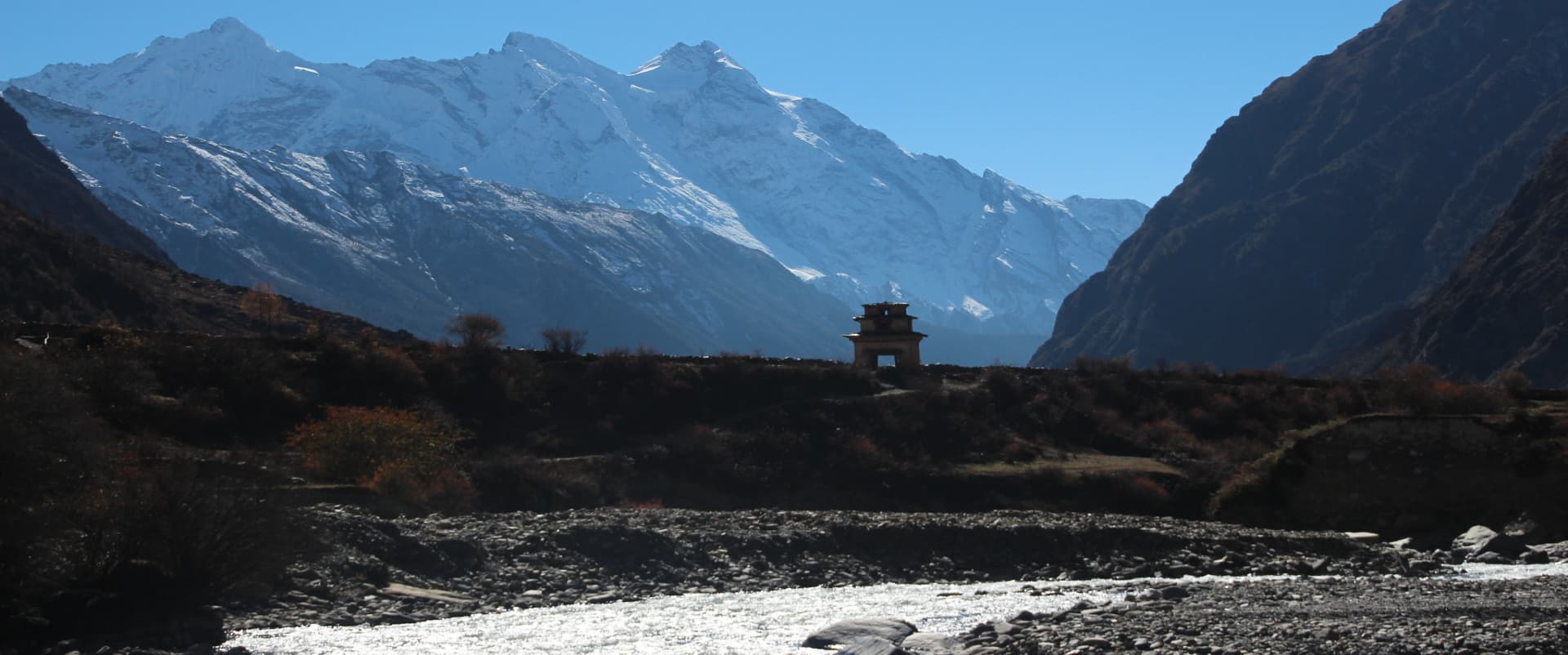
Tucked away in the northern corners of the Gorkha district, the Tsum Valley is a sanctuary where time truly seems to have stopped. Often called the "Hidden Valley of Happiness," or Beyul Kyimolung in the local dialect, this sacred Himalayan landscape was first described by Guru Rinpoche in the 8th century as a refuge for spiritual seekers. The word "Tsum" originates from the Tibetan "Tsombo," meaning vivid or bright—a fitting description for a place where the mountain air is crystal clear and the cultural traditions remain incredibly vibrant. For trekkers seeking more than just a physical challenge, Tsum Valley offers a deep immersion into a world of ancient Buddhist wisdom, nestled under the watchful eyes of the Ganesh Himal and Sringi Himal ranges.
Until 2008, Tsum Valley remained a restricted area, largely closed to the outside world. This long isolation has preserved a way of life that is rare to find elsewhere in the Himalayas. Unlike the more commercialized trekking routes in Nepal, the trails here lead you through untouched villages and past centuries-old monasteries that still serve as the heartbeat of the community. Here, the local Tsumba people live by the code of Shyagya, a centuries-old non-violence pact that prohibits the hunting or killing of any living beings. This commitment to peace creates an atmosphere of profound serenity that stays with you long after you leave. With Accessible Adventure, we provide the expert guidance and logistical support needed to navigate this remote region, allowing you to focus entirely on the spiritual and natural beauty of this "Garden of Eden."
A Landscape of Spiritual and Natural Wonder
The journey begins in the lush lower reaches of the Budhi Gandaki river valley, where the trails wind through dense forests of pine and rhododendron. As you ascend, the landscape opens up into a high-alpine paradise of wide valleys, glacial rivers, and dramatic waterfalls. You will visit iconic sites like Mu Gompa, the highest and oldest monastery in the valley, and Rachen Gompa, a significant nunnery that houses a thousand clay statues of Avalokiteshwara. You may even find yourself meditating in the very caves where the legendary yogi Milarepa is said to have stayed centuries ago, feeling the same stillness that has drawn practitioners here for generations.


